
Contact
ADDRESS
STAVROS NIARCHOS FOUNDATION
CULTURAL CENTER
364 Syggrou Avenue, Kallithea
TEL.
Box Office:
+30 213 0885700
Box Office email:
boxoffice@nationalopera.gr
Daily 09.00-21.00
info@nationalopera.gr
Register to our Newsletter





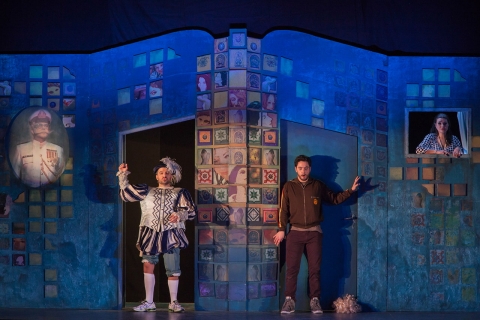
DIRECTOR
Alexandros Efklidis
SETS
Vassiliki Papadopoulou
COSTUMES
Natassa Dimitriou
LIGHTING
Spyros Tzoras
MUSICOLOGICAL COORDINATION
Dimitris Yakas
PIANO
Frixos Mortzos
DON GIOVANNI
Nikos Kotenidis
COMMENDATORE/MASETTO
George Roupas
DONNA ANNA
Anna Stylianaki
DON OTTAVIO
Christos Kechris
DONNA ELVIRA
Julia Souglakou
LEPORELLO, DON GIOVANNI'S SERVANT
Dimitris Kassioumis
ZERLINA
Myrsini Margariti
5 February 2014
ANTONIS SAMARAKIS CULTURAL CENTRE, KERATSINI
Starts at 20.00 | 
Αdmission is free of charge with priority coupons which will be distributed at the entrance of the Antonis Samarakis Cultural Centre, one hour before the performance starts.
Antonis Samarakis Cultural Centre (24 Mikras Asias & Papanastasiou, tel.: 210 4312182)
Don Giovanni at a glance
The composer / Most people have a great sense of familiarity for Mozart, probably because his music is so pleasant at a first hearing. However, prevalent misconceptions about his life and work have formed an image that is much different to reality. These misconceptions, that have even altered his name, date as far back as the 19th century, when Mozart was first cast as a figure that inspired awe. That was when the rather bombastic Amadeus was introduced, a name that he used rarely and then only in jest, instead of the more prosaic Αmadé or Amadeo, which was how he usually signed his name. To this day, the misconceptions regarding Mozart continue to be propagated through popular presentations of his life and work, for example in film. There is certainly no doubt that Mozart was an intellectual and one of the most significant and introspective figures of his time. He was charismatic and sensitive, and embraced lofty ideals. However, recent research into his life and work continues to endow him with additional attributes, completing the portrait of a man who is constantly revealing new and exciting aspects of himself.
The opera / Don Giovanni is an opera in two acts. The libretto by Lorenzo Da Ponte was based on an earlier piece by Giovanni Bertati for Giuseppe Gazzaniga’s opera Don Giovanni Tenorio, or The Stone Guest, which premiered in Venice in 1787. The story revolves around the salacious adventures of the Spanish nobleman and libertine Don Giovanni. In one of these incidents, Don Giovanni tries to rape Donna Anna and kills her father in his effort to escape justice. But the elderly man returns from the dead to exact his revenge and Don Giovanni, unrepentant for his sins, is sent straight to hell. The opera ends with a moral, as was the usual practice at the time.
Premieres / Don Giovanni was first performed in Prague on 29 October 1787. For its premiere in Vienna on 7 May 1788, Mozart adapted the score to accommodate the new singers, while also adding a editing a number of the musical parts. The opera that is most often presented today is a combination of the original and adapted versions. The Greek National Opera first introduced Don Giovanni to its repertory on 20 March 1962 in a production directed by Antiochos Evangelatos. The Pocket Opera presents an abridged version of the original.
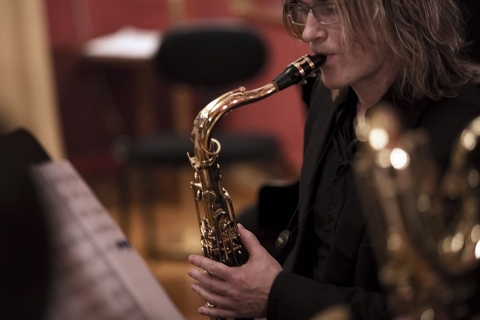
2 February 2014
Guest Composer Cycle
Olympia Theatre's Foyer
Starts at 18.00 |
Free admission
CONDUCTOR
Myron Michailidis
DIRECTOR
Lorenzo Mariani
SETS
Maurizio Balo
COSTUMES
Silvia Aymonino
CHOREOGRAPHY
Renato Zanella
LIGHTING
Linus Fellbom
PROJECTION DESIGNS
Lucy Mackinnon
CHORUS MASTER
Agathangelos Georgakatos
MACBETH
Dimitris Tiliakos (17, 19, 21/1)
Tassis Christoyannis (18, 22, 24, 26/1)
Sebastian Catana (25/1)
BANCO
Tassos Apostolou (17, 19, 21, 25/1)
Petros Magoulas (18, 22, 24, 26/1)
LADY MACBETH
Dimitra Theodossiou (17, 19, 21, 25/1)
Tatiana Melnychenko (18, 22, 24, 26/1)
WOMAN IN ATTENDANCE ON LADY MACBETH
Antonia Kalogirou (17, 19, 21, 25/1)
Sophia Kyanidou (18, 22, 24, 26/1)
MACDUFF
Dimitris Paksoglou (17, 19, 21/1)
Angelo Simo (18, 24, 26/1)
Filippos Modinos (22, 25/1)
MALCOLM
Charalambos Alexandropoulos (17, 19, 21, 25/1)
George Zografos (18, 22, 24, 26/1)
A DOCTOR / A SERVANT OF MACBETH
Dionyssis Tsantinis (17, 19, 21, 25/1)
Pavlos Sampsakis (18, 22, 24, 26/1)
A MURDERER / A HERALD
Christos Amvrazis (17, 19, 21, 25/1)
Nikos Syropoulos (18, 22, 24, 26/1)
FIRST APPARITION
Pavlos Maropoulos (17, 19, 21, 25/1)
Theodore Moraitis (18, 22, 24, 26/1)
SECOND APPARITION
Maria Zoi (17, 19, 21, 25/1)
Filli Georgiadou (18, 22, 24, 26/1)
THIRD APPARITION
Marilena Striftompola (17, 19, 21, 25/1)
Diamanti Kritsotaki (18, 22, 24, 26/1)
17, 18, 19, 21, 22, 24, 25, 26 January 2014
Athens Concert Hall – Alexandra Trianti Hall
Performances begin at 20.00 |
26 January 2014
Guest Composer Cycle
Olympia Theatre's Foyer
Starts at 18.00 |
Free admission
DIRECTOR
Alexandros Efklidis
SETS
Vassiliki Papadopoulou
COSTUMES
Natassa Dimitriou
LIGHTING
Spyros Tzoras
MUSICOLOGICAL COORDINATION
Dimitris Yakas
PIANO
Frixos Mortzos
Don Giovanni
Dionyssis Sourbis
Commendatore/Masetto
Kostas Dotsikas
Donna Anna
Sophia Kyanidou
DON OTTAVIO
Christos Kechris
DONNA ELVIRA
Georgia Eliopoulos
LEPORELLO, DON GIOVANNI'S SERVANT
Haris Andrianos
ZERLINA
Despina Scarlatou
Hadzikosta Foundation, Halandri (374 Kifissias Avenue, tel.: 210 6820464)
23 January 2014
HADZIKOSTA FOUNDATION, XALANDRI
Starts at 20.00 |
Αdmission is free of charge with priority coupons which will be distributed at the entrance of the Hadzikosta Foundation, one hour before the performance starts.
Don Giovanni at a glance
The composer / Most people have a great sense of familiarity for Mozart, probably because his music is so pleasant at a first hearing. However, prevalent misconceptions about his life and work have formed an image that is much different to reality. These misconceptions, that have even altered his name, date as far back as the 19th century, when Mozart was first cast as a figure that inspired awe. That was when the rather bombastic Amadeus was introduced, a name that he used rarely and then only in jest, instead of the more prosaic Αmadé or Amadeo, which was how he usually signed his name. To this day, the misconceptions regarding Mozart continue to be propagated through popular presentations of his life and work, for example in film. There is certainly no doubt that Mozart was an intellectual and one of the most significant and introspective figures of his time. He was charismatic and sensitive, and embraced lofty ideals. However, recent research into his life and work continues to endow him with additional attributes, completing the portrait of a man who is constantly revealing new and exciting aspects of himself.
The opera / Don Giovanni is an opera in two acts. The libretto by Lorenzo Da Ponte was based on an earlier piece by Giovanni Bertati for Giuseppe Gazzaniga’s opera Don Giovanni Tenorio, or The Stone Guest, which premiered in Venice in 1787. The story revolves around the salacious adventures of the Spanish nobleman and libertine Don Giovanni. In one of these incidents, Don Giovanni tries to rape Donna Anna and kills her father in his effort to escape justice. But the elderly man returns from the dead to exact his revenge and Don Giovanni, unrepentant for his sins, is sent straight to hell. The opera ends with a moral, as was the usual practice at the time.
Premieres / Don Giovanni was first performed in Prague on 29 October 1787. For its premiere in Vienna on 7 May 1788, Mozart adapted the score to accommodate the new singers, while also adding a editing a number of the musical parts. The opera that is most often presented today is a combination of the original and adapted versions. The Greek National Opera first introduced Don Giovanni to its repertory on 20 March 1962 in a production directed by Antiochos Evangelatos. The Pocket Opera presents an abridged version of the original.
19 January 2014
Guest Composer Cycle
Olympia Theatre's Foyer
Starts at 18.00 |
Free admission
12 January 2014
Opera Cycle
Starts at 18.00 |
Free admission

12 January 2014
MUNICIPAL ART GALLERY OF PIRAEUS
Starts at 20.00 |
Αdmission is free of charge with priority coupons which will be distributed at the entrance of the Municipal Art Gallery of Piraeus, one hour before the performance starts.

CONDUCTORS
Yorgos Vranos (23, 24/11, 12, 18, 19, 20, 21, 22, 24/12/2013)
Stefanos Tsialis (28, 29, 31/12, 3, 4, 5/1/2014
CHOREOGRAPHY
Renato Zanella
23, 24 November 2013
12, 18, 19, 20, 21, 22, 24, 28, 29, 31 December 2013
3, 4, 5 January 2014
Olympia Theatre
Performances begin at 20.00 |
CONDUCTORS
Agathangelos Georgakatos – Mata Katsouli
GNO CHILDREN’S CHOIR CONDUCTOR
Mata Katsouli
THEATRICAL CONCEPT – TEXTS – NARRATIVE SASA
Voulgari
With the Children’s Stage Orchestra and the GNO Children’s Choir
21, 22, 24, 27, 28, 29, 31 December 2013
3, 4, 5 January 2014
Olympia Theatre
Performances begin at 11.00 |
TEXT - DIRECTION - CONCEPTION
Magda Mavroyianni
5 January 2014
Opera Cycle
Olympia Theatre's Foyer
Starts at 18.00 |
Free admission
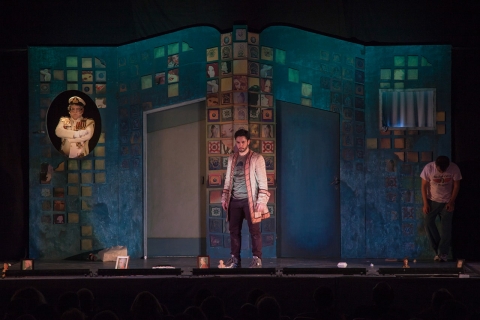
DIRECTOR
Alexandros Efklidis
SETS
Vassiliki Papadopoulou
COSTUMES
Natassa Dimitriou
LIGHTING
Spyros Tzoras
MUSICOLOGICAL COORDINATION
Dimitris Yakas
PIANO
Frixos Mortzos
DON GIOVANNI
Dionysos Tsantinis
COMMENDATORE/MASETTO
Theodore Moraitis
DONNA ANNA
Anna Stylianaki
DON OTTAVIO
Nikos Stefanou
DONNA ELVIRA
Julia Souglakou
LEPORELLO, DON GIOVANNI'S SERVANT
Vangelis Maniatis
ZERLINA
Despina Scarlatou
29 December 2013
TECHNOPOLIS, AMPHITHEATRE 984
Starts at 20.00 |
Free admission
Don Giovanni at a glance
The composer / Most people have a great sense of familiarity for Mozart, probably because his music is so pleasant at a first hearing. However, prevalent misconceptions about his life and work have formed an image that is much different to reality. These misconceptions, that have even altered his name, date as far back as the 19th century, when Mozart was first cast as a figure that inspired awe. That was when the rather bombastic Amadeus was introduced, a name that he used rarely and then only in jest, instead of the more prosaic Αmadé or Amadeo, which was how he usually signed his name. To this day, the misconceptions regarding Mozart continue to be propagated through popular presentations of his life and work, for example in film. There is certainly no doubt that Mozart was an intellectual and one of the most significant and introspective figures of his time. He was charismatic and sensitive, and embraced lofty ideals. However, recent research into his life and work continues to endow him with additional attributes, completing the portrait of a man who is constantly revealing new and exciting aspects of himself.
The opera / Don Giovanni is an opera in two acts. The libretto by Lorenzo Da Ponte was based on an earlier piece by Giovanni Bertati for Giuseppe Gazzaniga’s opera Don Giovanni Tenorio, or The Stone Guest, which premiered in Venice in 1787. The story revolves around the salacious adventures of the Spanish nobleman and libertine Don Giovanni. In one of these incidents, Don Giovanni tries to rape Donna Anna and kills her father in his effort to escape justice. But the elderly man returns from the dead to exact his revenge and Don Giovanni, unrepentant for his sins, is sent straight to hell. The opera ends with a moral, as was the usual practice at the time.
Premieres / Don Giovanni was first performed in Prague on 29 October 1787. For its premiere in Vienna on 7 May 1788, Mozart adapted the score to accommodate the new singers, while also adding a editing a number of the musical parts. The opera that is most often presented today is a combination of the original and adapted versions. The Greek National Opera first introduced Don Giovanni to its repertory on 20 March 1962 in a production directed by Antiochos Evangelatos. The Pocket Opera presents an abridged version of the original.
29 December 2013
Greek Operetta Cycle
Olympia Theatre's Foyer
Starts at 18.00 |
Free admission
CONDUCTOR
Lucas Karytinos
DIRECTOR - SET - COSTUMES
Nikos S. Petropoulos
MOVEMENT - CHOREOGRAPHY
Petros Gallias
LIGHTING
Giuseppe di Iorio
CHORUS MASTER
Agathangelos Georgakatos
DUKE OF MANTUA
Rame Lahaj (6, 11, 14/12)
Mario Zeffiri (8/12)
Yannis Christopoulos (7, 10, 13, 15/12)
RIGOLETTO
Carlos Almaguer (6, 8, 11, 14/12)
Nelson Martinez (7, 10, 13, 15/12)
GILDA
Vassiliki Karagianni (6, 11, 14/12)
Maria Mitsopoulou (7, 10, 13/12)
Christina Poulitsi (8, 15/12)
SPARAFUCILE
Dimitri Kavrakos (6, 8, 11, 14/12)
Petros Magoulas (7, 10, 13, 15/12)
MADDALENA
Eleni Voudouraki (6, 8, 11, 14/12)
Marissia Papalexiou (7, 10, 13, 15/12)
GIOVANNA
Maria Vlachopoulou (6, 8, 11, 14/12)
Alexandra Mattheodaki (7, 10, 13, 15/12)
COUNT MONTERONE
Dimitris Kassioumis (6, 8, 11, 14/12)
Petros Salatas (7, 10, 13, 15/12)
MARULLO
Akis Laloussis (6, 8, 11, 14/12)
Dionyssis Tsantinis (7, 10, 13, 15/12)
MATTEO BORSA
Christos Kechris (6, 8, 11, 14/12)
Charalambos Alexadropoulos (7, 10, 13, 15/12)
COUNT CEPRANO
George Matheakakis (6, 8, 11, 14/12)
Costas Mavrogenis (7, 10, 13, 15/12)
COUNTESS CEPRANO
Vaia Kofou (6, 8, 11, 14/12)
Elisaveta Klonovskaya (7, 10, 13, 15/12)
A COURT USHER
Christos Amvrazis (6, 8, 11, 14/12)
Theodore Moraitis (7, 10, 13, 15/12)
A PAGE
Irini Athanassiou (6, 8, 11, 14/12)
Thei Stavrou (7, 10, 13, 15/12)
6, 7, 8, 10, 11, 13, 14, 15 December 2013
Athens Concert Hall – Alexandra Trianti Hall
Performances begin at 20.00 |
DIRECTOR
Ilias Kountis
15 December 2013
Opera Cycle
Olympia Theatre's Foyer
Starts at 18.00 |
Free admission
DIRECTOR
Alexandros Efklidis
SETS
Vassiliki Papadopoulou
COSTUMES
Natassa Dimitriou
LIGHTING
Spyros Tzoras
MUSICOLOGICAL COORDINATION
Dimitris Yakas
PIANO
Frixos Mortzos
DON GIOVANNI
Dionysos Tsantinis
COMMENDATORE/MASETTO
Kostas Dotsikas
DONNA ANNA
Sophia Kyanidou
DON OTTAVIO
Nikos Stefanou
DONNA ELVIRA
Julia Souglakou
LEPORELLO, DON GIOVANNI'S SERVANT
Haris Andrianos
ZERLINA
Myrsini Margariti
11 December 2013
MUNICIPAL THEATRE, HAIDARI
Starts at 20.00 |
Free admission
Municipal Theatre, Haidari (138 Stratarchou Karaiskaki, across from the Municipal Library, tel.: 210 5821574)
Don Giovanni at a glance
The composer / Most people have a great sense of familiarity for Mozart, probably because his music is so pleasant at a first hearing. However, prevalent misconceptions about his life and work have formed an image that is much different to reality. These misconceptions, that have even altered his name, date as far back as the 19th century, when Mozart was first cast as a figure that inspired awe. That was when the rather bombastic Amadeus was introduced, a name that he used rarely and then only in jest, instead of the more prosaic Αmadé or Amadeo, which was how he usually signed his name. To this day, the misconceptions regarding Mozart continue to be propagated through popular presentations of his life and work, for example in film. There is certainly no doubt that Mozart was an intellectual and one of the most significant and introspective figures of his time. He was charismatic and sensitive, and embraced lofty ideals. However, recent research into his life and work continues to endow him with additional attributes, completing the portrait of a man who is constantly revealing new and exciting aspects of himself.
The opera / Don Giovanni is an opera in two acts. The libretto by Lorenzo Da Ponte was based on an earlier piece by Giovanni Bertati for Giuseppe Gazzaniga’s opera Don Giovanni Tenorio, or The Stone Guest, which premiered in Venice in 1787. The story revolves around the salacious adventures of the Spanish nobleman and libertine Don Giovanni. In one of these incidents, Don Giovanni tries to rape Donna Anna and kills her father in his effort to escape justice. But the elderly man returns from the dead to exact his revenge and Don Giovanni, unrepentant for his sins, is sent straight to hell. The opera ends with a moral, as was the usual practice at the time.
Premieres / Don Giovanni was first performed in Prague on 29 October 1787. For its premiere in Vienna on 7 May 1788, Mozart adapted the score to accommodate the new singers, while also adding a editing a number of the musical parts. The opera that is most often presented today is a combination of the original and adapted versions. The Greek National Opera first introduced Don Giovanni to its repertory on 20 March 1962 in a production directed by Antiochos Evangelatos. The Pocket Opera presents an abridged version of the original.
8 December 2013
Opera Cycle
Starts at 18.00 |
Free admission
TRIO FOR PIANO NO. 2 IN E FLAT MAJOR (OPUS 100)
Franz Schubert
RETROSPECTIONS II (1978), FOR CELLO, PIANO AND VIOLIN
Dimitris Dragatakis
Sergiu Nastasa
Angelos Liakakis
Titos Gouvelis
1 December 2013
Guest Composer Cycle
Olympia Theatre's Foyer
Starts at 18.00 |
Free admission
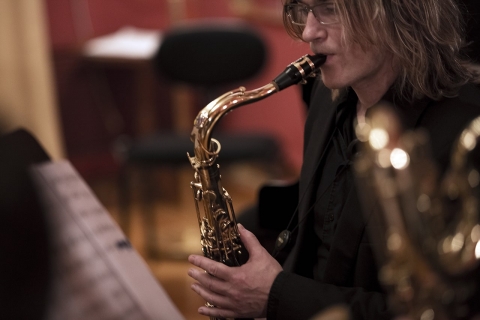
24 November 2013
Guest Composer Cycle
Olympia Theatre's Foyer
Starts at 18.00 |
Free admission

IDEA & CONCEPT
Isma Toulatou
PROGRAMME SUPERVISOR
Dimitris Giakas
STAGING SUPERVISOR
Alexandros Evklidis
20 November 2013
Megaron - The Athens Concert Hall, Banquet Hall
Live screening at Nikos Skalkotas Hall
Starts at 20.00 |
(For the Nikos Skalkotas Hall admission is free of charge with priority coupons which will be distributed at the Athens Concert Hall box office, on Wednesday 20 November at 18.30)

CONDUCTORS
George Petrou (25, 26, 30/10, 1, 3, 10, 13/11)
Konstantinos Diminakis (2/11)
DIRECTOR
Rodula Gaitanou
SET DESIGN - LIGHTING
Simon Corder
COSTUMES
Alexia Theodoraki
CHORUS MASTER
Agathangelos Georgakatos
DON RAMIRO
Antonis (Αnthony) Koroneos (25, 30/10, 2, 10, 13/11)
Vassilis Kavayas (26/10, 1, 3/11)
DANDINI
David Menendez (25, 30/10, 2/11)
Haris Andrianos (26/10, 1, 3, 10, 13/11)
DON MAGNIFICO
Carlos Esquivez (25, 30/10, 2/11)
Dimitris Kassioumis (26/10, 1, 3, 10, 13/11)
CLORINDA
Myrsini Margariti (25/10, 2/11)
Elpiniki Zervou (26/10, 1, 3/11)
Georgia Eliopoulos (30/10, 10, 13/11)
TISBE
Eleni Davou (25/10, 2/11)
Angelica Cathariou (26/10, 1, 3/11)
Eleni Voudouraki (30/10, 10, 13/11)
CINDERELLA (ANGELINA)
Mary-Ellen Nesi (25, 30/10, 10/11)
Irini Karaianni(26/10, 1, 3/11)
Artemis Bogri (2, 13/11)
ALIDORO
Petros Magoulas (25, 30/10, 2, 10/11)
Tassos Apostolou (26/10, 1, 3, 13/11)
25, 26, 30 October 2013
1, 2, 3, 10, 13 November 2013
Olympia Theatre
Performances begin at 20.00 |
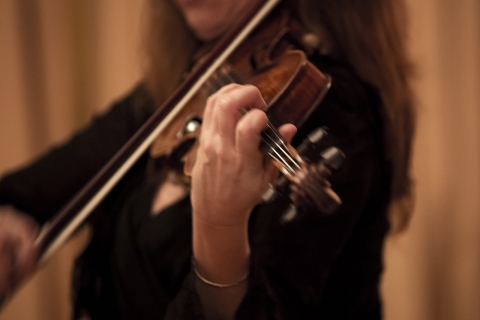
3 November 2013
Opera Cycle
Olympia Theatre's Foyer
Starts at 18.00 |
Free admission
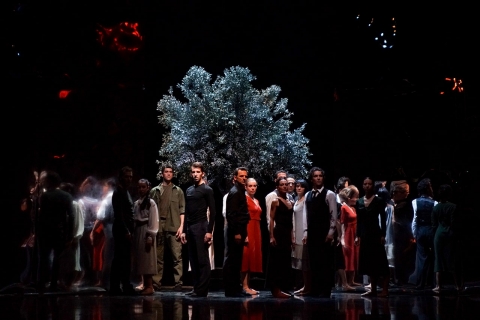
CHOREOGRAPHY - LIGHTS
Renato Zanella
MUSIC
Eleni Karaindrou
SET - COSTUMES
Katerina Angelopoulou
CONDUCTOR
Μiltos Logiadis
28, 29 September 2013
THESSALONIKI CONCERT HALL
Starts at 21.00 |
With the City of Thessaloniki Symphony Orchestra, Principal Dancers, Soloists, Coryphées and Corps de Ballet of the GNO
Ticket sales
Thessaloniki Concert Hall Box Office
2310 895938-9
Ticket prices:
15€, 25€, 35€, 50€
Students, Children 10€
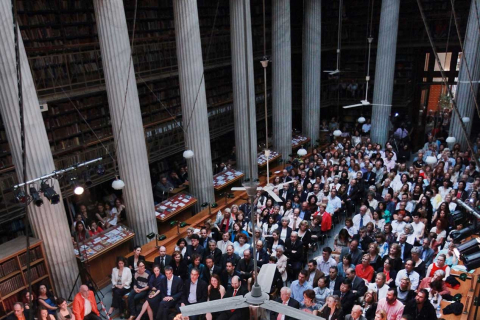
DIRECTOR
Isidoros Sideris
SETS - COSTUMES
Giannis Katranitsas
CHOREOGRAPHER
Dionyssis Tsaftaridis
LIGHTS
Nikos Ergazakis
LIBRETTO TRANSLATION
Maria Mourkoussi
PIANO
Frixos Mortzos
RODOLFO
Yannis Christopoulos
MIMI
Elena Kelesidi
MARCELLO
Haris Andrianos
MUSETTA
Maria Kokka
SCHAUNARD
Christos Lazos
COLLINE
Theodoros Moraitis
ALCINDORO
Pavlos Maropoulos
LOVE–DEATH
Dionyssis Tsaftaridis
22 September 2013
THE PETROS M. NOMIKOS CONFERENCE CENTRE - FIRA, SANTORINI
Starts at 21.00 |
Petros M. Nomikos Conference Centre
Fira, 847 00 Santorini
tel: +30 22860 23016-7
La Bohème at a glance / The composer
Giacomo Puccini was born in Lucca, Tuscany, on 22 December 1858. He remains to this day one of the most renowned composers of Italian opera, as his works are regularly throughout the world. His musical style was already clearly developed by his third opera, Manon Lesacaut (1893), while his next three compositions, La bohème (1896), Tosca (1900) and Madama Butterfly (1904), firmly established Puccini as Verdi’s true heir.
The beautiful melodies and intense theatricality that define his operas successfully met the demands of their time. His last opera, Turandot (1926), remained incomplete due to his death in 1924.
The opera
La bohème, an opera lirica in four acts, is based on the novel Scènes de la vie de bohème (1845/8, 1851) by Henry Mürger and the play La Vie de bohème (1849), written by Théodore Barrière after Mürger. The libretto was written by Giuseppe Giacosa and Luigi Ilicca. It tells the story of the love affair between the poet Rodolfo and the seamstress Mimì, from the moment they meet until Mimì’s death from tuberculosis.
Premieres
La bohème received its premiere on 1 February 1896 at the Teatro Regio in Turin and was conducted by Arturo Toscanini. The Greek National Opera presented La bohème for the first time on 17 April 1948 under Antiochos Evangelatos.

Admission to all events is free of charge.
In collaboration with the City of Athens, the Acropolis Museum, the National Archaeological Museum, the Association of Greek Architects and the urban revival group Every Saturday in Athens.
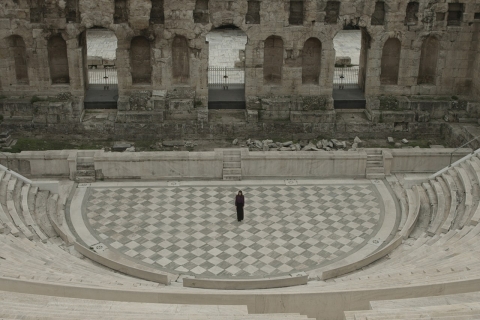
CONDUCTOR
Myron Michailidis
DIRECTOR - SETS - COSTUMES
Hugo de Ana
PROJECTION DESIGNS
Sergio Metalli
Ideogamma
LIGHTING
Vinicio Cheli
MOVEMENT
Leda Lojodice
CHORUS MASTER
Agathangelos Georgakatos
LIBRETTO TRANSLATION
Maria Mourkoussi
CIO-CIO-SAN (MADAMA BUTTERFLY)
Maria Luigia Borsi (27, 30/7)
Cellia Costea (28, 31/7)
SUZUKI, CIO-CIO-SAN’S MAID
Olesya Petrova
Kate, Pinkerton’s wife
Marissia Papalexiou
PINKERTON, LIEUTENANT IN THE UNITED STATES NAVY
Walter Fraccaro (27, 30/7)
Luciano Ganci (28, 31/7)
SHARPLESS, UNITED STATES CONSUL AT NAGASAKI
Dimitri Platanias (27, 30/7)
Dionyssis Sourbis (28, 31/7)
GORO, A MARRIAGE BROKER
Charalambos Alexandropoulos
YAMADORI
Charalambos Velissarios
BONZE, CIO-CIO-SAN’S UNCLE
Tassos Apostolou
YAKUSIDE
Petros Salatas
IMPERIAL COMMISSIONER
Pavlos Sampsakis
OFFICIAL REGISTRAR
Sotiris Kolydas
CIO-CIO-SAN’S MOTHER
Amalia Avloniti
AUNT
Vaya Kofou
COUSIN
Fotini Chatzidaki
DOLORE, CIO-CIO-SAN’S CHILD
Patrick Farouggias
With the participation of the Orchestra, Chorus and Soloists of the GNO
27, 28, 30, 31 July 2013
ODEON OF HERODES ATTICUS - NEW PRODUCTION
Starts at 21.00 |
Ticket sales
Olympia Theatre Box Office
210 3662 100
Greek Festival Box Office
210 3272 000
Ticket Prices
25€, 45€, 55€, 60€, 85€, 100€
Children & Students 15€

28 July 2013
CULTURAL FOUNDATION OF TINOS
Starts at 20.30 |
Admission of free charge
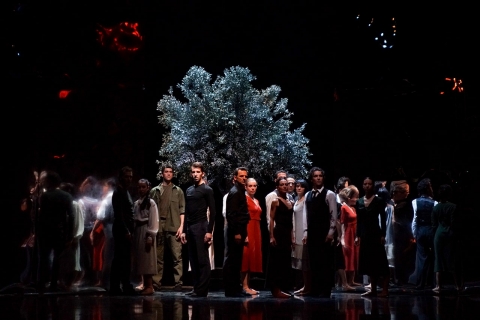
CHOREOGRAPHY
Renato Zanella
MUSIC
Eleni Karaindrou
SET - COSTUMES
Katerina Angelopoulou
COMPANY PIANIST
Christos Sakellaridis
DANCERS
Stratos Papanoussis
Evrydiki Issakidou
Aleksander Neskov
Maria Kousouni
Vangelis Bikos
Christina Makridou
Danilo Zeka
Mania Karavassili
Elton Dimrotchi
Anna Fragou
Agapios Agapiadis
Zoi Schinoplokaki
Michalis
Pappas
Vanessa Kourkoulou
Thanassis Solomos
Vicky Bourcha
Yiannis Benetos
28 July 2013
LEFKADA CULTURAL CENTRE
Starts at 21.00 |
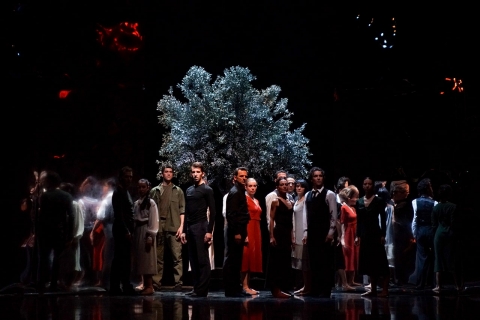
CHOREOGRAPHY
Renato Zanella
MUSIC
Eleni Karaindrou
SET - COSTUMES
Katerina Angelopoulou
COMPANY PIANIST
Christos Sakellaridis
DANCERS
Stratos Papanoussis
Evrydiki Issakidou
Aleksander Neskov
Maria Kousouni
Vangelis Bikos
Christina Makridou
Danilo Zeka
Mania Karavassili
Elton Dimrotchi
Anna Fragou
Agapios Agapiadis
Zoi Schinoplokaki
Michalis
Pappas
Vanessa Kourkoulou
Thanassis Solomos
Vicky Bourcha
Yiannis Benetos
17, 18 July 2013
APOLLO THEATRE, ERMOUPOLI, SYROS
Starts at 20.30 |

18 July 2013
45, DIONYSIOU AREOPAGITOU PEDESTRIAN STREET
(outside the premises of Meropeio Foundation)
Starts at 20.00 |
Admission is free of charge
STAVROS NIARCHOS FOUNDATION
CULTURAL CENTER
364 Syggrou Avenue, Kallithea
Box Office:
+30 213 0885700
Box Office email:
boxoffice@nationalopera.gr
Daily 09.00-21.00
info@nationalopera.gr