



Contact
ADDRESS
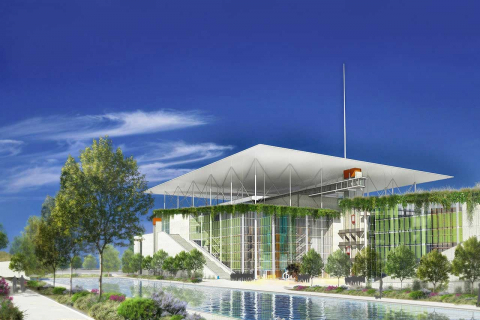
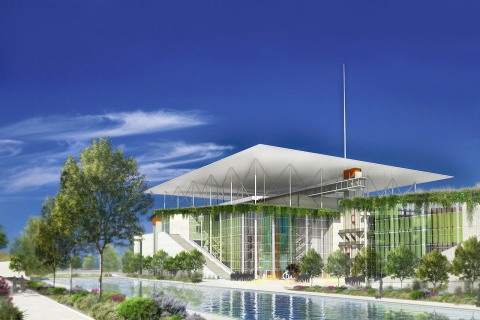
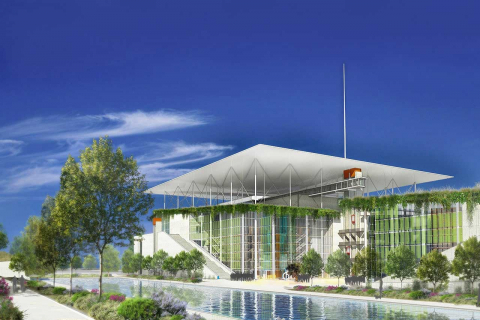
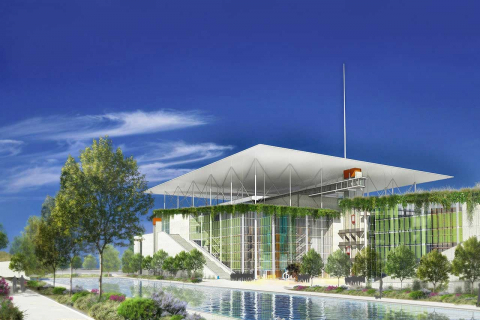
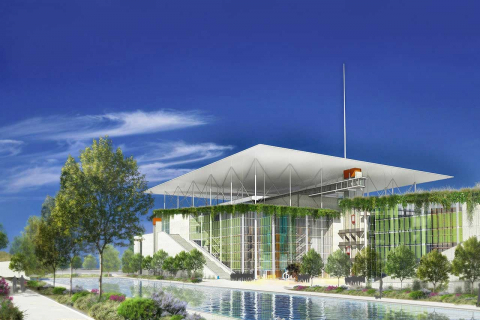
STAVROS NIARCHOS FOUNDATION
CULTURAL CENTER
364 Syggrou Avenue, Kallithea
TEL.
Box Office:
+30 213 0885700
Box Office email:
boxoffice@nationalopera.gr
Daily 09.00-21.00
info@nationalopera.gr
Register to our Newsletter
CHOREOGRAPHY
Yannick Boquin
SETS - COSTUMES - LIGHTS
Renato Zanella
PIANO
George-Emmanuel Lazaridis
10, 12, 15, 16 October 2014
Municipal Theatre of Piraeus
Performances begin at 20.00 | 
11 October 2014
SNFCC Visitors Center
Performances begin at 12.00 |
(noon)
Admission is free
CHOREOGRAPHY
Yannick Boquin
SETS - COSTUMES - LIGHTS
Renato Zanella
PIANO
George-Emmanuel Lazaridis
CHARLOTTE - WERTHER THE LOVERS
Εvrydiki Issaakidou - Danilo Zeka
Μaria Kousouni - Vangelis Bikos
ALBERT CHARLOTTE'S HUSBAND
Thanassis Solomos
WILHELM WERTHER'S BEST FRIEND
Igor Siadzko
With the GNO’s Principal Dancers, Soloists, Coryphees and Corps de ballet
27, 28 September 2014
Thessaloniki Concert Hall
Starts at 21.00 | 
Ticket sales:
Thessaloniki Concert Hall Box Office (25 Martiou str. & Paralia)
Monday-Saturday: 10.00-18.00
tel.: 2310 895938-9
At the Concert Hall Box Office on Aristotelous Square
Monday, Wednesday, Saturday: 10.00-15.30
Tuesday, Thursday, Friday: 10.00-14.00 & 17.30-20.00
17, 18 September 2014
Οlympia Theatre
Starts at 20.00 | 
Αdmission is free of charge with priority coupons which will be distributed one hour before the performance starts
DIRECTOR
Isidoros Sideris
SETS - COSTUMES
Giannis Katranitsas
LIGHTING
Nikos Ergazakis
CHOREOGRAPHY
Dionyssis Tsaftaridis
PIANO
Frixos Mortzos
RODOLFO
Yannis Christopoulos
MIMI
Elena Kelessidi
MARCELLO
Haris Andrianos
SCHAUNARD
Zafeiris Koutelieris
COLLINE
Costas Dotsikas
MUSETTA
Maria Kokka
ALCINDORO
Christos Amvrazis
LOVE–DEATH
Dionyssis Tsaftaridis
12 September 2014
Κapodistrian Cultural Centre, Spetses
Starts at 19.30 | 
Αdmission is free of charge with priority coupons which will be distributed at the entrance of the Κapodistrian Cultural Centre, one hour before the performance starts
Κapodistrian Cultural Centre, tel.: 22980 73005, 22980 72225, 22980 73366
La Bohème at a glance / The composer
Giacomo Puccini was born in Lucca, Tuscany, on 22 December 1858. He remains to this day one of the most renowned composers of Italian opera, as his works are regularly throughout the world. His musical style was already clearly developed by his third opera, Manon Lesacaut (1893), while his next three compositions, La bohème (1896), Tosca (1900) and Madama Butterfly (1904), firmly established Puccini as Verdi’s true heir. The beautiful melodies and intense theatricality that define his operas successfully met the demands of their time. His last opera, Turandot (1926), remained incomplete due to his death in 1924.
The opera
La bohème, an opera lirica in four acts, is based on the novel Scènes de la vie de bohème (1845/8, 1851) by Henry Mürger and the play La Vie de bohème (1849), written by Théodore Barrière after Mürger. The libretto was written by Giuseppe Giacosa and Luigi Ilicca. It tells the story of the love affair between the poet Rodolfo and the seamstress Mimì, from the moment they meet until Mimì’s death from tuberculosis.
Premieres
La bohème received its premiere on 1 February 1896 at the Teatro Regio in Turin and was conducted by Arturo Toscanini. The Greek National Opera presented La bohème for the first time on 17 April 1948 under Antiochos Evangelatos.
CONDUCTOR
Myron Michailidis
DIRECTOR - SETS - COSTUMES
Yannis Kokkos
ARTISTIC COLLABORATOR - DRAMATURGY
Anne Blancard
LIGHTING
Michael Bauer
CHORUS MASTER
Agathangelos Georgakatos
OTELLO
Antonello Palombi (27, 29, 31/7)
Raymond Very (30/7)
ΙAGO
George Gagnidze (27, 30/7)
Dimitri Platanias (29, 31/7)
CASSIO
Dimitrios Flemotomos (27, 30/7)
Yannis Christopoulos (29, 31/7)
RODERIGO
Charalambos Alexandropoulos (27, 29, 30, 31/7)
LODOVICO
Tassos Apostolou (27, 30/7)
Petros Magoulas (29, 31/7)
ΜONTANO
Akis Lalousis (27, 30/7)
Pavlos Sampsakis (29, 31/7)
Α HERALD
Pavlos Maropoulos (27, 30/7)
Theodore Moraitis (29, 31/7)
DESDEMONA
Alexia Voulgaridou (27, 30/7)
Cellia Costea (29, 31/7)
EMILIA
Antigone Papoulkas (27, 30/7)
Ines Zikou (29, 31/7)
With the Orchestra and Chorus of GNO
27, 29, 30, 31 July 2014
ODEON OF HERODES ATTICUS
New production within the framework of the Athens Festival
Starts at 21.00 | 
Presale at
the Olympia Theatre Box Office
(59-61, Akadimias str., tel.: 210 3662100)
the Greek Festival Box Office
(39, Panepistimiou str., inside the Pesmazoglou Arcade, tel.: 210 3272000)
8 July 2014
Olympeion
(Temple of Olympian Zeus - entrance from Vassilisis Olgas Ave.)
Starts at 20.30 | 
Admission is free with priority tickets that are distributed two hours prior to the commencement of the performance at the event venue
DIRECTOR
Alexandros Efklidis
SETS
Vassiliki Papadopoulou
COSTUMES
Natassa Dimitriou
LIGHTING
Spyros Tzoras
MUSICOLOGICAL COORDINATION
Dimitris Yakas
PIANO
Frixos Mortzos
DON GIOVANNI
Νikos Kotenidis
COMMENDATORE/ΜASETTO
Kostas Dotsikas
DONNA ANNA
Μaria Mitsopoulou
DON OTTAVIO
Christos Kechris
DONNA ELVIRA
Julia Souglakou
LEPORELLO
Haris Andrianos
ZERLINA
Vassia Zacharopoulou
6 July 2014
DUCHESS OF PLAISANCE CONCERT HALL, PENTELI
Starts at 21.00 | 
Αdmission is free of charge with priority coupons which will be distributed at the entrance of the Duchess of Plaisance Concert Hall, one hour before the performance starts.
Duchess of Plaisance Concert Hall (at the end of the Lord Byron str., Penteli, τel.: 210 6138802)
Don Giovanni at a glance
The composer / Most people have a great sense of familiarity for Mozart, probably because his music is so pleasant at a first hearing. However, prevalent misconceptions about his life and work have formed an image that is much different to reality. These misconceptions, that have even altered his name, date as far back as the 19th century, when Mozart was first cast as a figure that inspired awe. That was when the rather bombastic Amadeus was introduced, a name that he used rarely and then only in jest, instead of the more prosaic Αmadé or Amadeo, which was how he usually signed his name. To this day, the misconceptions regarding Mozart continue to be propagated through popular presentations of his life and work, for example in film. There is certainly no doubt that Mozart was an intellectual and one of the most significant and introspective figures of his time. He was charismatic and sensitive, and embraced lofty ideals. However, recent research into his life and work continues to endow him with additional attributes, completing the portrait of a man who is constantly revealing new and exciting aspects of himself.
The opera / Don Giovanni is an opera in two acts. The libretto by Lorenzo Da Ponte was based on an earlier piece by Giovanni Bertati for Giuseppe Gazzaniga’s opera Don Giovanni Tenorio, or The Stone Guest, which premiered in Venice in 1787. The story revolves around the salacious adventures of the Spanish nobleman and libertine Don Giovanni. In one of these incidents, Don Giovanni tries to rape Donna Anna and kills her father in his effort to escape justice. But the elderly man returns from the dead to exact his revenge and Don Giovanni, unrepentant for his sins, is sent straight to hell. The opera ends with a moral, as was the usual practice at the time.
Premieres / Don Giovanni was first performed in Prague on 29 October 1787. For its premiere in Vienna on 7 May 1788, Mozart adapted the score to accommodate the new singers, while also adding a editing a number of the musical parts. The opera that is most often presented today is a combination of the original and adapted versions. The Greek National Opera first introduced Don Giovanni to its repertory on 20 March 1962 in a production directed by Antiochos Evangelatos. The Pocket Opera presents an abridged version of the original.
6 July 2014
Bourtzi, Skiathos
Starts at 21.00 | 
Αdmission is free with priority tickets that are distributed one hour prior to the commencement of the performance at the event venue
4, 5 July 2014
Starts at 20.00 | 
Free admission
DIRECTOR
Alexandros Efklidis
SETS
Vassiliki Papadopoulou
COSTUMES
Natassa Dimitriou
LIGHTING
Spyros Tzoras
MUSICOLOGICAL COORDINATION
Dimitris Yakas
PIANO
Frixos Mortzos
DON GIOVANNI
Νikos Kotenidis
COMMENDATORE/ΜASETTO
Theodore Moraitis
DONNA ANNA
Sophia Kyanidou
DON OTTAVIO
Christos Kechris
DONNA ELVIRA
Elena Kelessidi
LEPORELLO
Haris Andrianos
ZERLINA
Μyrsini Margariti
2 July 2014
AMALIEIO INSTITUTE CULTURAL EVENTS AREA, ΜΑROUSI
Starts at 21.00 | 
Αdmission is free of charge with priority coupons which will be distributed at the entrance of the Amalieio Institute, one hour before the performance starts.
Amalieio Institute Cultural Events Area (219, Kifisias Av., Μarousi, tel.: 213 2038000)
Don Giovanni at a glance
The composer / Most people have a great sense of familiarity for Mozart, probably because his music is so pleasant at a first hearing. However, prevalent misconceptions about his life and work have formed an image that is much different to reality. These misconceptions, that have even altered his name, date as far back as the 19th century, when Mozart was first cast as a figure that inspired awe. That was when the rather bombastic Amadeus was introduced, a name that he used rarely and then only in jest, instead of the more prosaic Αmadé or Amadeo, which was how he usually signed his name. To this day, the misconceptions regarding Mozart continue to be propagated through popular presentations of his life and work, for example in film. There is certainly no doubt that Mozart was an intellectual and one of the most significant and introspective figures of his time. He was charismatic and sensitive, and embraced lofty ideals. However, recent research into his life and work continues to endow him with additional attributes, completing the portrait of a man who is constantly revealing new and exciting aspects of himself.
The opera / Don Giovanni is an opera in two acts. The libretto by Lorenzo Da Ponte was based on an earlier piece by Giovanni Bertati for Giuseppe Gazzaniga’s opera Don Giovanni Tenorio, or The Stone Guest, which premiered in Venice in 1787. The story revolves around the salacious adventures of the Spanish nobleman and libertine Don Giovanni. In one of these incidents, Don Giovanni tries to rape Donna Anna and kills her father in his effort to escape justice. But the elderly man returns from the dead to exact his revenge and Don Giovanni, unrepentant for his sins, is sent straight to hell. The opera ends with a moral, as was the usual practice at the time.
Premieres / Don Giovanni was first performed in Prague on 29 October 1787. For its premiere in Vienna on 7 May 1788, Mozart adapted the score to accommodate the new singers, while also adding a editing a number of the musical parts. The opera that is most often presented today is a combination of the original and adapted versions. The Greek National Opera first introduced Don Giovanni to its repertory on 20 March 1962 in a production directed by Antiochos Evangelatos. The Pocket Opera presents an abridged version of the original.
CONDUCTOR
Elias Voudouris
CHOREOGRAPHY - LIBRETTO
Lorca Massine
ΑRTISTIC SUPERVISION
Renato Zanella
SETS
Sophia Pantouvaki
COSTUME DILIGENCE
Chryssanthi Psaropoulou
LIGHTING
Yannis Theodoridis
CHORUS MASTER
Agathangelos Georgakatos
SPECIAL APPEARANCE
Maria Farantouri
ZORBAS
Stratos Papanoussis
JOHN
Danilo Zeka
MARINA
Maria Kousouni
MANOLIOS
Aleksandar Neskov
ORTANCE
Stavroula Kaburakis
With the participation of the Orchestra, the Chorus, Principal Dancers, Soloists, Coryphées and Corps de ballet of the GNO
29 June 2014
Panathenaic Stadium [Kallimarmaro]
Starts at 21.00 | 
Presale at the Olympia Theatre Box Office (59-61, Akadimias str., tel.: 210 3662100)
& online at www.nationalopera.gr
Presale at:
the Olympia Theatre Box Office
(59-61, Akadimias str., tel.: 210 3662100)
the Greek Festival Box Office
(39, Panepistimiou str., inside the Pesmazoglou Arcade)
DIRECTOR
Alexandros Efklidis
SETS
Vassiliki Papadopoulou
COSTUMES
Natassa Dimitriou
LIGHTING
Spyros Tzoras
MUSICOLOGICAL COORDINATION
Dimitris Yakas
PIANO
Frixos Mortzos
DON GIOVANNI
Νikos Kotenidis
COMMENDATORE/ΜASETTO
George Roupas
DONNA ANNA
Μaria Mitsopoulou
DON OTTAVIO
Christos Kechris
DONNA ELVIRA
Julia Souglakou
LEPORELLO
Vangelis Maniatis
Zerlina
Despina Scarlatou
29 June 2014
STRATOUDAKEION CULTURAL CENTER, MEGARA
Starts at 20.00 | 
Αdmission is free of charge with priority coupons which will be distributed at the entrance of the Stratoudakeion Cultural Center, one hour before the performance starts.
Stratoudakeion Cultural Center (nearby Megara Health Centre - Korkouria, τel.: 22963 00544)
Don Giovanni at a glance
The composer / Most people have a great sense of familiarity for Mozart, probably because his music is so pleasant at a first hearing. However, prevalent misconceptions about his life and work have formed an image that is much different to reality. These misconceptions, that have even altered his name, date as far back as the 19th century, when Mozart was first cast as a figure that inspired awe. That was when the rather bombastic Amadeus was introduced, a name that he used rarely and then only in jest, instead of the more prosaic Αmadé or Amadeo, which was how he usually signed his name. To this day, the misconceptions regarding Mozart continue to be propagated through popular presentations of his life and work, for example in film. There is certainly no doubt that Mozart was an intellectual and one of the most significant and introspective figures of his time. He was charismatic and sensitive, and embraced lofty ideals. However, recent research into his life and work continues to endow him with additional attributes, completing the portrait of a man who is constantly revealing new and exciting aspects of himself.
The opera / Don Giovanni is an opera in two acts. The libretto by Lorenzo Da Ponte was based on an earlier piece by Giovanni Bertati for Giuseppe Gazzaniga’s opera Don Giovanni Tenorio, or The Stone Guest, which premiered in Venice in 1787. The story revolves around the salacious adventures of the Spanish nobleman and libertine Don Giovanni. In one of these incidents, Don Giovanni tries to rape Donna Anna and kills her father in his effort to escape justice. But the elderly man returns from the dead to exact his revenge and Don Giovanni, unrepentant for his sins, is sent straight to hell. The opera ends with a moral, as was the usual practice at the time.
Premieres / Don Giovanni was first performed in Prague on 29 October 1787. For its premiere in Vienna on 7 May 1788, Mozart adapted the score to accommodate the new singers, while also adding a editing a number of the musical parts. The opera that is most often presented today is a combination of the original and adapted versions. The Greek National Opera first introduced Don Giovanni to its repertory on 20 March 1962 in a production directed by Antiochos Evangelatos. The Pocket Opera presents an abridged version of the original.
DIRECTOR
Alexandros Efklidis
SETS
Vassiliki Papadopoulou
COSTUMES
Natassa Dimitriou
LIGHTING
Spyros Tzoras
MUSICOLOGICAL COORDINATION
Dimitris Yakas
PIANO
Frixos Mortzos
DON GIOVANNI
Nikos Kotenidis
COMMENDATORE/ΜASETTO
Τheodore Moraitis
DONNA ANNA
Αnna Stylianaki
DON OTTAVIO
Nikos Stefanou
DONNA ELVIRA
Georgia Eliopoulos
LEPORELLO
Vangelis Maniatis
ZERLINA
Despina Scarlatou
27 June 2014
"ASTRON" ΟPEN AIR CINEMA, MANDRA
Starts at 21.00 | 
Αdmission is free of charge with priority coupons which will be distributed at the entrance of the "Astron" Open Air Cinema, one hour before the performance starts.
Astron Open Air Cinema, (4, Vas. Liaskou str., Mandra, τel.: 210 5555311)
Don Giovanni at a glance
The composer / Most people have a great sense of familiarity for Mozart, probably because his music is so pleasant at a first hearing. However, prevalent misconceptions about his life and work have formed an image that is much different to reality. These misconceptions, that have even altered his name, date as far back as the 19th century, when Mozart was first cast as a figure that inspired awe. That was when the rather bombastic Amadeus was introduced, a name that he used rarely and then only in jest, instead of the more prosaic Αmadé or Amadeo, which was how he usually signed his name. To this day, the misconceptions regarding Mozart continue to be propagated through popular presentations of his life and work, for example in film. There is certainly no doubt that Mozart was an intellectual and one of the most significant and introspective figures of his time. He was charismatic and sensitive, and embraced lofty ideals. However, recent research into his life and work continues to endow him with additional attributes, completing the portrait of a man who is constantly revealing new and exciting aspects of himself.
The opera / Don Giovanni is an opera in two acts. The libretto by Lorenzo Da Ponte was based on an earlier piece by Giovanni Bertati for Giuseppe Gazzaniga’s opera Don Giovanni Tenorio, or The Stone Guest, which premiered in Venice in 1787. The story revolves around the salacious adventures of the Spanish nobleman and libertine Don Giovanni. In one of these incidents, Don Giovanni tries to rape Donna Anna and kills her father in his effort to escape justice. But the elderly man returns from the dead to exact his revenge and Don Giovanni, unrepentant for his sins, is sent straight to hell. The opera ends with a moral, as was the usual practice at the time.
Premieres / Don Giovanni was first performed in Prague on 29 October 1787. For its premiere in Vienna on 7 May 1788, Mozart adapted the score to accommodate the new singers, while also adding a editing a number of the musical parts. The opera that is most often presented today is a combination of the original and adapted versions. The Greek National Opera first introduced Don Giovanni to its repertory on 20 March 1962 in a production directed by Antiochos Evangelatos. The Pocket Opera presents an abridged version of the original.
CONDUCTOR
Nikos Vassiliou
DIRECTOR
Angela Saroglou
SETS
George Kolios
COSTUMES
Dina Antonopoulou
LIGHTING
Spyros Tzoras
CLARICE
Dimitra Kotidou
Erophili-Josephina Papadogia
LUCINDA
Dimitra-Roxani Papadimitriou
Ioanna Kokovika
DORINA
Maria-Christina Asimakopoulou
Elizabeth-Nepheli Papageorgiou
CONTE EUGENIO
Christos Kechris
DON ORAZIO
Stamatis Beris
MINGONE
Nikolaos Katsigiannis
MARCHESE CANOPPIO
Maxim Klonofski
With the participation of the GNO Opera Studio Orchestra
20, 22 June 2014
STUDIO OPERA
Olympia Theatre
Starts at 20.00 |
Ticket Prices: 10€, 12€
Children & student ticket prices: 8€
DIRECTOR
Alexandros Efklidis
SETS
Vassiliki Papadopoulou
COSTUMES
Natassa Dimitriou
LIGHTING
Spyros Tzoras
MUSICOLOGICAL COORDINATION
Dimitris Yakas
PIANO
Frixos Mortzos
DON GIOVANNI
Dionyssis Sourbis
COMMENDATORE/MASETTO
George Roupas
DONNA ANNA
Maria Mitsopoulou
DON OTTAVIO
Nikos Stefanou
DONNA ELVIRA
Elena Kelessidi
LEPORELLO, DON GIOVANNI'S SERVANT
Haris Andrianos
ZERLINA
Despina Scarlatou
21 June 2014
Εuropean Music Day
Municipal Theatre of Piraeus
Starts at 20.00 | 
Αdmission is free of charge with priority coupons which will be distributed at the entrance of the Municipal Theatre of Piraeus, one hour before the performance starts.
Μunicipal Theatre of Piraeus (32 Iroon Polytechneiou Avenue, Piraeus, tel.: 210 4143300, 210 4143310)
Don Giovanni at a glance
The composer / Most people have a great sense of familiarity for Mozart, probably because his music is so pleasant at a first hearing. However, prevalent misconceptions about his life and work have formed an image that is much different to reality. These misconceptions, that have even altered his name, date as far back as the 19th century, when Mozart was first cast as a figure that inspired awe. That was when the rather bombastic Amadeus was introduced, a name that he used rarely and then only in jest, instead of the more prosaic Αmadé or Amadeo, which was how he usually signed his name. To this day, the misconceptions regarding Mozart continue to be propagated through popular presentations of his life and work, for example in film. There is certainly no doubt that Mozart was an intellectual and one of the most significant and introspective figures of his time. He was charismatic and sensitive, and embraced lofty ideals. However, recent research into his life and work continues to endow him with additional attributes, completing the portrait of a man who is constantly revealing new and exciting aspects of himself.
The opera / Don Giovanni is an opera in two acts. The libretto by Lorenzo Da Ponte was based on an earlier piece by Giovanni Bertati for Giuseppe Gazzaniga’s opera Don Giovanni Tenorio, or The Stone Guest, which premiered in Venice in 1787. The story revolves around the salacious adventures of the Spanish nobleman and libertine Don Giovanni. In one of these incidents, Don Giovanni tries to rape Donna Anna and kills her father in his effort to escape justice. But the elderly man returns from the dead to exact his revenge and Don Giovanni, unrepentant for his sins, is sent straight to hell. The opera ends with a moral, as was the usual practice at the time.
Premieres / Don Giovanni was first performed in Prague on 29 October 1787. For its premiere in Vienna on 7 May 1788, Mozart adapted the score to accommodate the new singers, while also adding a editing a number of the musical parts. The opera that is most often presented today is a combination of the original and adapted versions. The Greek National Opera first introduced Don Giovanni to its repertory on 20 March 1962 in a production directed by Antiochos Evangelatos. The Pocket Opera presents an abridged version of the original.
CONDUCTOR
Lukas Karytinos
DIRECTOR
Yannis Houvardas
SETS
Eva Manidaki
COSTUMES
Ioanna Tsami
LIGHTING
Lefteris Pavlopoulos
CHORUS MASTER
Agathangelos Georgakatos
DON GIOVANNI
Franco Pomponi (11, 13/6)
Dionyssis Sourbis (14, 15/6)
DONNA ANNA
Myrtò Papatanasiu (11, 13, 15/6)
Francesca Dotto (14/6)
DON OTTAVIO
Antonis Koroneos (11, 13, 15/6)
Μusa Nkuna (14/6)
IL COMMENDATORE
Dimitri Kavrakos (11, 13, 15/6)
Τassos Apostolou (14/6)
DONNA ELVIRA
Cellia Costea (11, 13, 15/6)
Μaria Luigia Borsi (14/6)
LEPORELLO
Christophoros Stamboglis (11, 13, 15/6)
José Fardilha (14/6)
ΜASETTO
Petros Magoulas (11, 13, 14, 15/6)
ZERLINA
Maria Mitsopoulou (11, 13, 14, 15/6)
11, 13, 14, 15 June 2014
ODEON OF HERODES ATTICUS
New production within the framework of the Athens Festival
Starts at 21.00 | 

With the Orchestra and Chorus of GNO
Presale at:
the Olympia Theatre Box Office
(59-61, Akadimias str., tel.: 210 3662100)
the Greek Festival Box Office
(39, Panepistimiou str., inside the Pesmazoglou Arcade, tel.: 210 3272000)
DIRECTOR
Alexandros Efklidis
SETS
Vassiliki Papadopoulou
COSTUMES
Natassa Dimitriou
LIGHTING
Spyros Tzoras
MUSICOLOGICAL COORDINATION
Dimitris Yakas
PIANO
Frixos Mortzos
DON GIOVANNI
Nikos Kotenidis
COMMENDATORE/MASETTO
Kostas Dotsikas
DONNA ANNA
Anna Stylianaki
DON OTTAVIO
Nikos Stefanou
Donna Elvira
Elena Kelessidi
LEPORELLO, DON GIOVANNI'S SERVANT
Vangelis Maniatis
ZERLINA
Myrsini Margariti
1 June 2014
CULTURAL CENTER "CHRISTOS BEKAS", SPATA
Starts at 20.00 | 
Αdmission is free with priority tickets that are distributed one hour prior to the commencement of the performance at the event venue.
“Christos Bekas” Cultural Center (7, Stavrou Beka str., Spata, tel.: 210 6633124)
DIRECTOR
Alexandros Efklidis
SETS
Vassiliki Papadopoulou
COSTUMES
Natassa Dimitriou
LIGHTING
Spyros Tzoras
MUSICOLOGICAL COORDINATION
Dimitris Yakas
PIANO
Frixos Mortzos
DON GIOVANNI
Dionysos Tsantinis
COMMENDATORE/MASETTO
George Roupas
DONNA ANNA
Sophia Kyanidou
DON OTTAVIO
Christos Kechris
DONNA ELVIRA
Julia Souglakou
LEPORELLO, DON GIOVANNI'S SERVANT
Dimitris Kassioumis
ZERLINA
Vassia Zacharopoulou
30 May 2014
CITY HALL OF SARONIKOS AUDITORIUM
Starts at 20.00 | 
Αdmission is free with priority tickets that are distributed one hour prior to the commencement of the performance at the event venue.
City Hall of Saronikos Auditorium
(Athinon Av. & Riga Feraiou str., Κalivia tel.: 22990 48509)
Don Giovanni at a glance
The composer / Most people have a great sense of familiarity for Mozart, probably because his music is so pleasant at a first hearing. However, prevalent misconceptions about his life and work have formed an image that is much different to reality. These misconceptions, that have even altered his name, date as far back as the 19th century, when Mozart was first cast as a figure that inspired awe. That was when the rather bombastic Amadeus was introduced, a name that he used rarely and then only in jest, instead of the more prosaic Αmadé or Amadeo, which was how he usually signed his name. To this day, the misconceptions regarding Mozart continue to be propagated through popular presentations of his life and work, for example in film. There is certainly no doubt that Mozart was an intellectual and one of the most significant and introspective figures of his time. He was charismatic and sensitive, and embraced lofty ideals. However, recent research into his life and work continues to endow him with additional attributes, completing the portrait of a man who is constantly revealing new and exciting aspects of himself.
The opera / Don Giovanni is an opera in two acts. The libretto by Lorenzo Da Ponte was based on an earlier piece by Giovanni Bertati for Giuseppe Gazzaniga’s opera Don Giovanni Tenorio, or The Stone Guest, which premiered in Venice in 1787. The story revolves around the salacious adventures of the Spanish nobleman and libertine Don Giovanni. In one of these incidents, Don Giovanni tries to rape Donna Anna and kills her father in his effort to escape justice. But the elderly man returns from the dead to exact his revenge and Don Giovanni, unrepentant for his sins, is sent straight to hell. The opera ends with a moral, as was the usual practice at the time.
Premieres / Don Giovanni was first performed in Prague on 29 October 1787. For its premiere in Vienna on 7 May 1788, Mozart adapted the score to accommodate the new singers, while also adding a editing a number of the musical parts. The opera that is most often presented today is a combination of the original and adapted versions. The Greek National Opera first introduced Don Giovanni to its repertory on 20 March 1962 in a production directed by Antiochos Evangelatos. The Pocket Opera presents an abridged version of the original.
CONDUCTOR
Michalis Economou (28/2 - 1, 2, 9/3 - 23, 24/4)
Zoi Tsokanou (5, 6, 7, 8/3)
Andreas Pylarinos (25/4 - 4, 7, 14/5)
DIRECTOR
Alexandros Efklidis
SETS
Sotiris Stelios
COSTUMES
Alexia Theodoraki
CHOREOGRAPHY
Maria Kousouni
LIGHTING
Melina Mascha
CHORUS MASTER
Agathangelos Georgakatos
LIBRETTO TRANSLATION
Dimitrios Dimopoulos
GABRIEL VON EISENSTEIN
Dionyssis Sourbis (28/2 - 2, 6, 8/3)
Dimitris Paksoglou (1, 5, 7, 9/3 - 23, 24, 25/4 - 4, 7, 14/5)
ROSALINDE
Maria Mitsopoulou (28/2 - 2, 6, 8/3 - 23/4)
Elena Kelessidi (1, 5, 7, 9/3 - 24/4)
Gina Poulou (25/4 - 4, 7, 14/5)
Frank
Angelo Simo (28/2 - 2, 6, 8, 9/3 - 4, 7, 14/5)
Stamatis Beris (1, 5, 7/3 - 23, 24, 25/4)
PRINCE ORLOFSKY
Eleni Voudouraki (28/2 - 2, 6, 9/3)
Marissia Papalexiou (1, 7/3 - 25/4 - 4/5)
Elena Marangou (5, 8/3 - 23, 24/4)
Marita Paparizou (7, 14/5)
ALFRED
Antonis Koroneos (28/2 - 2, 6, 7, 9/3 - 23, 25/4)
Nikos Stefanou (1, 5, 8/3 - 24/4)
Yannis Christopoulos (4, 7, 14/5)
DR. FALKE
Akis Laloussis (28/2 - 2, 6, 8/3 - 24/4 - 4/5)
Arkadios Rakopoulos (1, 9/3)
Haris Andrianos (5, 7/3 - 23, 25/4 - 7, 14/5)
DR. BLIND
Thanassis Evangelou (28/2 - 2, 6, 7, 9/3 - 25/4)
Dimitris Nalbantis (1, 5, 8/3 - 23, 24/4 - 4, 7, 14/5)
ADELE
Vassiliki Karayanni (28/2 - 2, 5, 7, 9/3 - 24/4 - 7, 14/5)
Katia Paschou (1, 8/3 - 23/4 - 4/5)
Marianna Mansola (6/3 - 25/4)
IDA
Vaya Kofou (28/2 - 2, 6, 9/3 - 24/4 - 4/5)
Lydia Angelopoulou (1, 5, 7, 8/3 - 23, 25/4 - 7, 14/5)
FROSCH/ALI BEY
Pavlos Maropoulos (28/2 - 2, 6/3 - 4, 7, 14/5)
Panagiotis Athanasopoulos (1, 5, 7, 8, 9/3 - 23, 24, 25/4)
ΜARREY
Christos Amvrazis (28/2 - 2, 6, 8/3 - 24/4 - 4, 7, 14/5)
Panayotis Priftis (1, 5, 7, 9/3 - 23, 25/4)
GINA
Irini Konsta (28/2 - 1, 2/3 - 23, 24, 25/4 - 7, 14/5)
Irini Athanassiou (5, 6, 7, 8, 9/3 - 4/5)
1, 2, 5, 6, 7, 8, 9 March 2014
23, 24, 25 April 2014
4, 7, 14 May 2014
Olympia Theatre
Performances begin at 20.00 | 
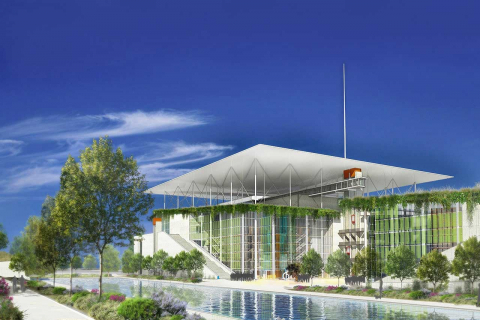
STAVROS NIARCHOS FOUNDATION
CULTURAL CENTER
364 Syggrou Avenue, Kallithea
Box Office:
+30 213 0885700
Box Office email:
boxoffice@nationalopera.gr
Daily 09.00-21.00
info@nationalopera.gr