
Contact
ADDRESS
STAVROS NIARCHOS FOUNDATION
CULTURAL CENTER
364 Syggrou Avenue, Kallithea
TEL.
Box Office:
+30 213 0885700
Box Office email:
boxoffice@nationalopera.gr
Daily 09.00-21.00
info@nationalopera.gr
Register to our Newsletter





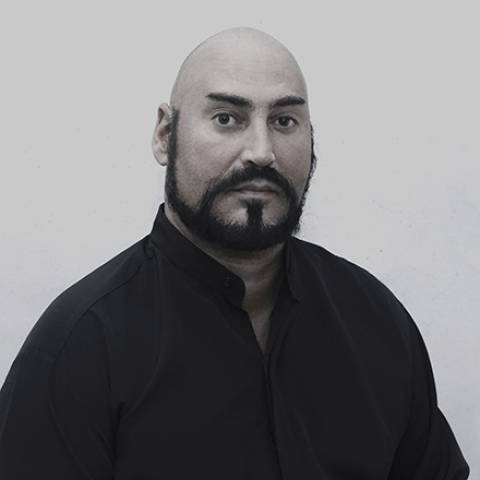
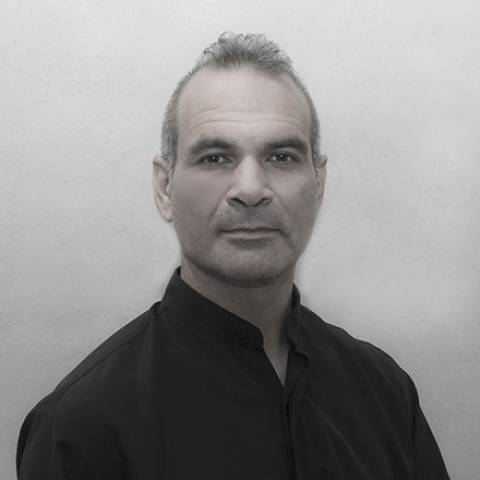
Greek baritone, he was born in Athens. He studied singing at the National Conservatory, Athens, with Katy Papalexopoulou (diploma) and continued his studies on voice technique under baritone Wassili Janulako. Since 1999 he is a member of the Greek National Opera Chorus singing in all the productions at various venues, such as the Stavros Niarchos Foundation (SNFCC), Olympia Theatre, Odeon of Herodes Atticus, Athens and Thessaloniki Concert Halls, ancient theatres of Epidaurus and Delphi etc.
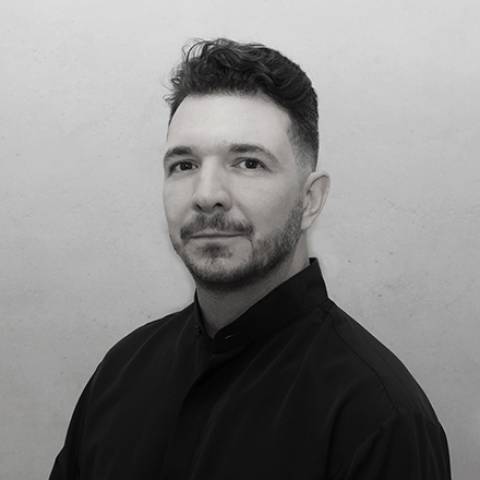
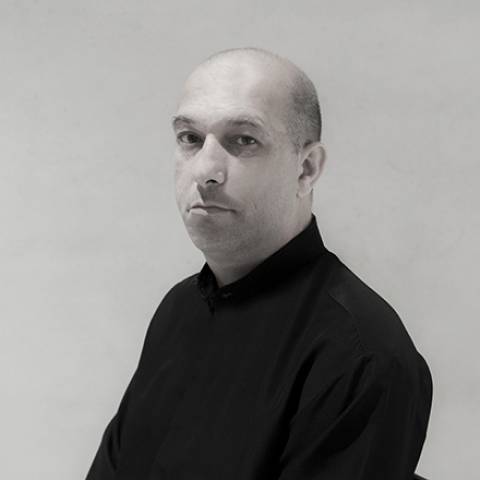
Greek baritone, he was born in Athens. He began piano lessons at an early age and, before finishing school, he received his harmony diploma in advanced music theory. He continued his studies at the Dartington College of Arts, University of Plymouth, Great Britain (composition). Shortly before completing his education (BA in Music, 1999), he took his first lessons in classical singing with bass Ian Comboy. He returned to Athens in 2004 and completed his vocal studies (diploma) under the guidance of tenor Stamatis Beris (National Conservatory, Athens). He has also attended seminars with Kostas Paskalis, Kiki Morfoniou, Louis Manikas and William Matteuzzi. He is a permanent member of the Chorus of the Greek National Opera, where he has also sung leading roles in operas like Il barbiere di Siviglia, L’elisir d’amore and La bohème.
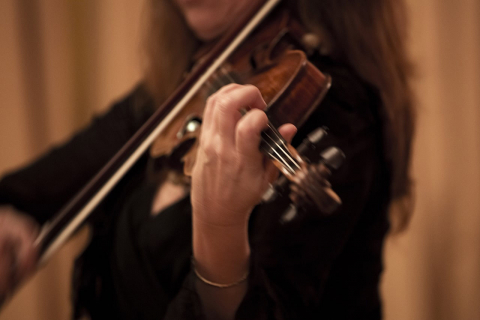
3 April 2015
Olympia Theatre's Foyer
Performance begin at 18.00 | 
Admission is free of charge with priority coupons which will be distributed one hour prior the starting time
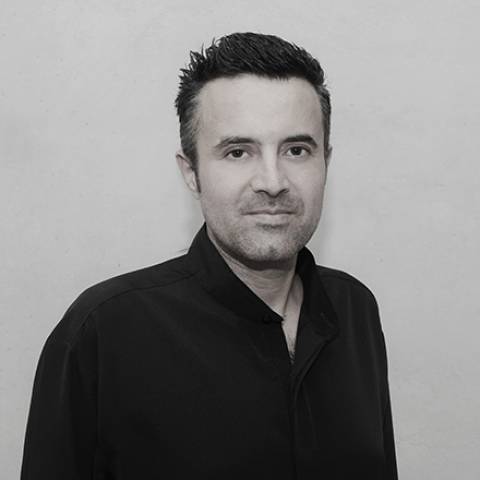
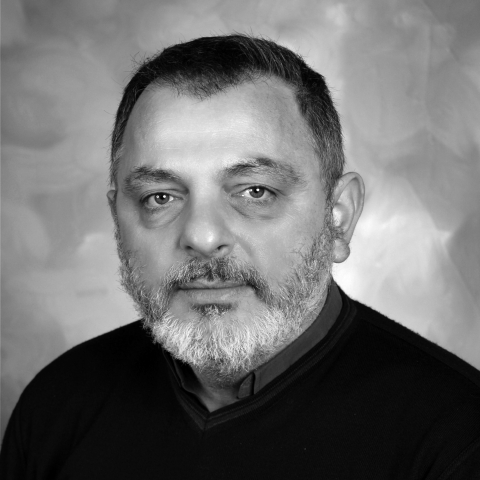
Greek tenor, he studied voice with Ivanka Ninova (diploma and postgraduate studies with honours) at the Pancho Vladigerov National Academy of Music in Sofia, Bulgaria. He also holds a voice diploma from the Echogenesi Conservatory (diploma with honours, first prize). He participated at a seminar for voice and movement technique held by Margarita Lilova and Peter Zlatev in Varna. He has sung excerpts from operas in various cities of Bulgaria with the Vidin State Philharmonic Orchestra, Pleven Philharmonic and Plovdiv Philharmonic Orchestra and has given recitals in Athens (Parnassos Literary Society, Paleo Psychiko Cultural Centre) and Patras, Greece. Since 2006 he has been participating as a soloist in productions of the cultural association “Odos Technon”, as well as with the vocal ensemble “En fonais” in Greece and abroad. Since 2006 he has been a permanent member of the Chorus of the Greek National Opera.
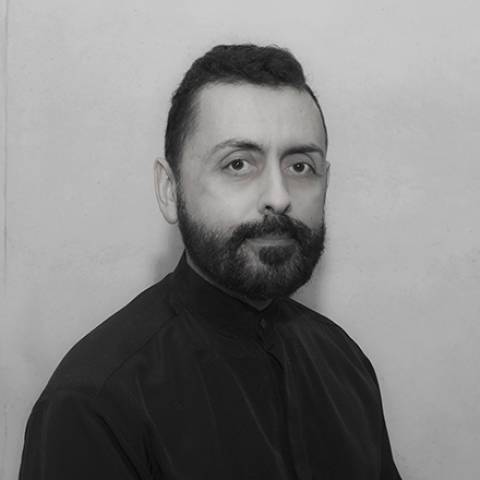
Greek tenor, he studied singing with George Zervanos and Onoufrios Sohos. He has been a member of the Greek National Opera Chorus since 1993. He has sung leading roles in such productions as Kiss me, Kate, The Fugitives of the Chessboard by George Kouroupos, The Masque of the Red by Dimitris Marangopoulos, Die Fledermaus, Rhea, Die Zauberflöte, Der Rosenkavalier, Il tabarro, Ariadne auf Naxos, L’assedio di Corinto, La bohème, La traviata, Rigoletto, Carmen, Manon Lescaut, as well as in operas for children like The Tale of Czar Saltan, Die Fledermaus and The Magic Violin. He also performed in the productions The Apology of Socrates by Theodore Abazis and I vespri siciliani staged at the Megaron – The Athens Concert Hall, as well as in the productions Lo frate n̓ namorato (with the ensemble Lyriki Ekfrasi), Haydn’s Der Apotheker (with the ensemble Polymnia), Peri’s Euridice (European Cultural Centre of Delphi, Greek premiere), Antigone and Opus Elgin: The destruction of the Parthenon by Theodore Stathis.
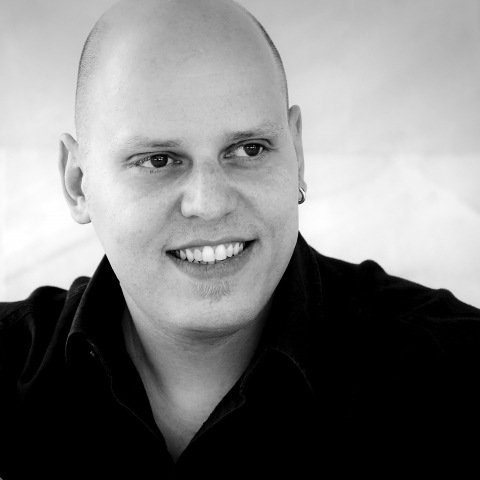
Greek tenor, he was born in Athens and graduated from the Pallini Experimental Music Lyceum. He studied advanced music theory with Fotis Koutzayiotis and Baroque flute with Mechthild Stark. He attended voice lessons with soprano Ioulia Troussa at the Athens Conservatoire, where he received his diploma with honours and first prize. He is a member of Meizon Ensemble and a founding member of the medieval music ensemble Lyrae Cantus, with which he has participated in performances and concerts at the Greek National Opera, Athens and Thessaloniki Concert Halls, as well as in festivals in Greece and abroad. Moreover, he has worked with the vocal ensemble Emmelia, the Medieval Music Workshop, etc. Since 2003 he has been a permanent member of the Chorus of the Greek National Opera, where he has also sung, among others, the roles of Prince Yamadori (Madama Butterfly), Matteo Borsa (Rigoletto), Νobleman of Brabant (Lohengrin), Parpignol (La bohème), Ruiz (Il trovatore) and Madman (Wozzeck).
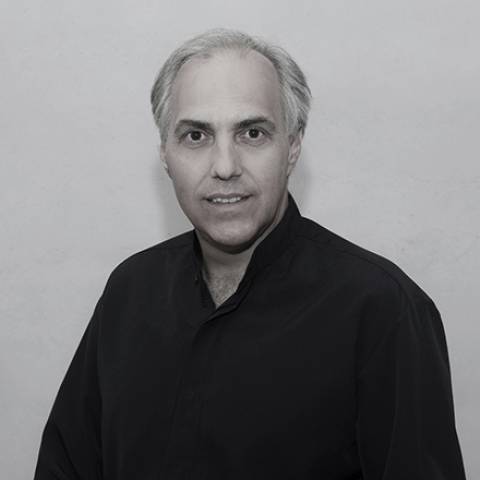
Greek tenor, he was born on Tinos island. He studied voice with Iordanis Tsakiridis, receiving a singing diploma. In 1992 he joined the Greek National Opera Chorus. As a soloist he has appeared at the Greek National Opera, Odeon of Herodes Atticus, Athens and Thessaloniki Concert Halls, singing in such productions as La bohème, Carmen, Tosca, Madama Butterfly, Mikis Theodorakis’ Kostas Karyotakis, Salome, Dimi- tris Marangopoulos’ The Masque of the Red, Anna Bolena, Les Contes d’Hoffmann, La Cenerentola, Il trovatore, Nabucco, Ariadne auf Naxos, La traviata, Simon Boccanegra, I puritani and Die lustige Witwe.
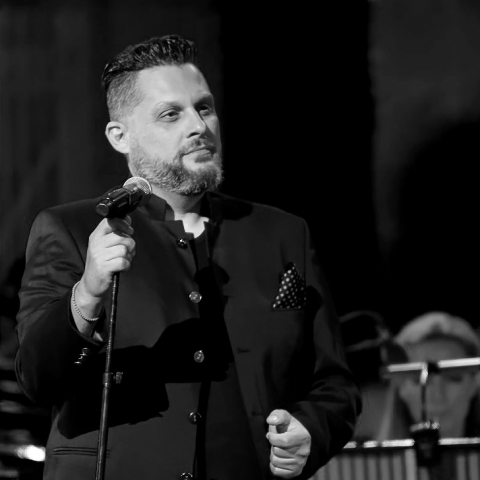
He studied acting at the theatre workshop of Vassilis Diamantopoulos and at the Drama School of Mary Traga-Voyatzis. He took singing lessons with George Zervanos and Marina Krilovici and took his diploma in singing with George Samartzis. Moreover, he attended a masterclass with Elizabeth Hagedorn in Vienna. Since 2001 he has been a member of the Greek National Opera Chorus. In his first professional steps, he performed alongside Thanassis Polykandriotis, Mimis Plessas and Vicky Moscholiou. As a soloist, in 2003 he toured France in collaboration with Jacques Lacarriere. In 2014 he gave a song recital in Barcelona (accompanied and curated by Anastassios Strikos), while in 2016 he performed at the Vienna Musikverein with the Cyprus Youth Orchestra. In 2017 he sang at the Panathenaic Stadium (Kallimarmaro) under the direction of Mikis Theodorakis. In 2019, his collaboration with Dimitris Papadimitriou began with the song When Everything Passes (poetry by Manolis Anagnostakis), while he participated as Captain Ahab in the Onassis Foundation's production Μoby Dick. In 2022 he sang for the first time at the Carnegie Hall in New York.
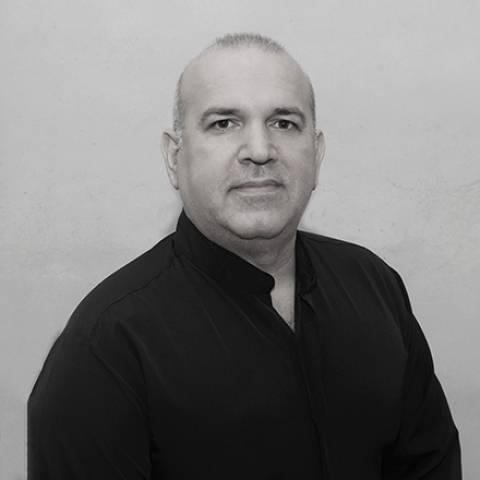
Greek tenor, he was born in Thessaloniki, where he took his first music lessons (piano, theory, classical song). He holds diplomas in monody, harmony, counterpoint, fugue and composition. Since 1998 he has been living in Athens, where he works as a permanent member of the GΝΟ Chorus. He writes music for performances (children, opera, dance) and movies. He has performed in Greece and abroad lead roles, including Tamino (Die Zauberflöte), Pinkerton (Madama Butterfly), Turiddu (Cavalleria rusticana). In addition, he has collaborated with such conductors as Bruno Rigazzi, Armando Gatto, Angelo Cavallaro, Lukas Karytinos, Theodore Antoniou, Alkis Baltas, Elias Voudouris and composers like Mikis Theodorakis, Dimitris Papadimitriou, Yannis Sabrovalakis, Giorgos Kambanas, Sotiris Rembapis and others as an assistant composer and producer in cinema, theatre and discography projects. His collaborations include: Timelapse pictures 2009 – Hellenic Broadcasting Corporation (music of the film The boy and the tree by Eugene Trivizas), Orchestra of Beuth University – Berlin (musical works upon request), En Plo Publishing, The dream and the miracle (2017/18).

DIRECTION
Angela-Kleopatra Saroglou
SETS
Yorgos Kollios
COSTUMES
Alexia Theodoraki
LIGHTS
Spyros Tzoras
PIANO
Yiannis Tsanakaliotis
DON JOSÉ
Dimitris Paksoglou
ESCAMILLO/MORALLÈS
Dionyssis Tsantinis
ZUNIGA/LE DANCAÏRE
Giorgos Mattheakakis
CARMEN
Marissia Papalexiou
MICAËLA/FRASQUITA
Despina Skarlatou
MERCÉDÈS
Maria Vlachopoulou
31 March 2015
STAR CINEMA THEATRE, VERIA
Performances begin at 20.00 |
Free entrance for priority pass holders. Priority passes will be distributed one hour prior the starting time
[Carmen at a glance]
The composer / French composer Georges Bizet was born in Paris, in 1838 and died in Bougival, near Paris, in 1875. His first music teacher was his father, a vocal coach. Later, he studied at the Conservatoire de Paris, under Jacques Fromental Halévy, composer of the opera La Juive and whose daughter Bizet married in 1869. Apart from his studies at the Conservatoire, Georges Bizet also studied under Charles Gounod and was profoundly influenced by him. When in 1857 Bizet won the prestigious Grand Prix de Rome, he had already composed the noteworthy Symphony in C, which was performed for the very first time as late as 1935! The arrangement of his poor financial state was the first thing he did upon his return to Paris from the Villa Medici. His opera Les pêcheurs de perles (1863) was not as successful as anticipated. Following the Franco-Prussian War (1870), he was appointed chorus master at the Opéra de Paris, but he opted for the position of the rehearsal pianist & répétiteur at the Opéra Comique. In 1872 he scored his first great success thanks to the music he composed for the theatrical play L'Arlésienne, based on the eponymous novel by Alphonse Daudet. In March 1875 he experienced the tumultuous premiere of his Carmen, but did not enjoy the work’s huge recognition for he died only a few months later, at the age of 37.
The opera / Carmen is a four-act French opera and belongs to the genre opéra comique. It is based on a libretto written by Henry Meilhac and Ludovic Halévy, based on Prosper Mérimée's namesake novel (1845). The term opéra comique does not suggest the existence of comic elements, but relates to structural and aesthetical features, one of which being spoken dialogues. In 1875, on the occasion of presenting Carmen in Vienna, Ernest Guiraud replaced the dialogues with recitatives. Also, he added some dance scenes by borrowing music from the suite L'Arlésienne and from Bizet's opera La jolie fille de Perth.
Premieres / Carmen first premiered in Paris at the Salle Favart. It was staged by the Opéra Comique on 3 March 1875. The leading role was performed by Célestine Galli-Marié. The performance staged in Vienna (October 1875) was pivotal as to the acknowledgment of the opera. Carmen was included in the repertoire of the Greek National Opera in 1941-2, with Kitsa Damasioti as Carmen and Antonis Delendas and Nikos Glinos at the role of José, Fani Aidali as Micaëla and Spyros Kalogeras as Escamillo. Antiochos Evangelatos was the conductor.
Act I / At a café in a square of Seville, soldiers comment leisurely on the passers-by while waiting for Carmen who works nearby to show up. Eventually, Carmen comes and almost threatens her admirers by singing a song about the fickle nature of love. Reacting to Zuniga's persistent flirt, she takes refuge to Don José by kissing him in a provocative manner and throwing him a flower. Although Don José seems to be annoyed, he keeps the flower. Carmen and Mercédès return to work. Micaëla enters the stage and gives José a kiss and a letter from his mother. In the letter his mother designates Micaëla as a suitable wife for him. Voices are heard, Carmen and Zuniga enter the stage again, but this time in dispute. Carmen keeps a suspicious object in her bag, but she won't give any explanations. Zuniga asks Don José to lead her to prison. Once they are left alone, Carmen charms the officer and in exchange of liberating her she pledges her love to him. Don José helps her escape.
Act II / In a bar. Carmen and Mercédès work night shift. Escamillo, the famous toreador, arrives. Carmen seems to be disinterested, but she lets him hope. Don José arrives and Carmen joyously dances for his sake. When he explains to her that duty calls him and has to leave, Carmen is outraged; she remains unmoved both at the view of the flower of their first encounter and by his marriage proposal. As she explains, if he loves her, he must leave her and make a fresh start someplace else. The lieutenant of the guards (Zuniga) returns hoping to find Carmen alone. Don José, jealous of Zuniga, attacks him. Now he has no other choice but to follow Carmen.
Act III / In a deserted place where Carmen and Don José have taken refuge. Micaëla comes dispirited only to inform Don José that his mother is dying. When she perceives that someone is following her, she hides. The person following her is Escamillo who has come to claim Carmen. Don José is furious and challenges him in a duel. At this point Carmen interrupts them and Escamillo invites everyone to his next bullfighting. Micaëla turns up informing Don José that his mother is on her death bed. He threatens Carmen and follows the girl. Carmen is mesmerised by Escamillo and follows his voice.
Act IV / In Escamillo's dressing room. Carmen helps him in his preparations for the arena. Escamillo bids her a warm goodbye and enters the arena. Carmen is left alone and watches the bullfighting on a monitor. Don José rushes in and insists on her following him. She openly tells him that she does not love him and that she would rather die than losing her freedom. Through the arena she can hear the cheering crowd and she is about to dash and take a taste of Escamillo's triumph, but Don José stands in her way. She gives him back the ring he had given her as a token of his love and kills her the very moment the bull strikes a deadly blow at Escamillo.
Director's note / Although today Carmen is synonymous with Spain, nobody remembers that its composer had never visited the Iberian Peninsula before composing this work that was to reserve him a place amongst the most celebrated opera composers. In the abridged version of the work we prepared for the Suitcase Opera, our aim was to narrate the story from a different angle with regard to Spain and its particular character. We kept intact the opera's dramatic core in which the dynamic rapport that develops among the main characters is skilfully outlined through music and dramatic performance. However, the grand spectacle and the vivid, crowded scenes were left out. In essence, every abridged version is a new creation. Consequently, our intent was to place our own Carmen in the Spain of the 1990s, in Seville; a city whose history is always evident and where the past encounters the present, and both engage in a discourse with daily life.
Almodovar's films are our focal point of reference as far the aesthetics are concerned. Through his cinematography we saw Spain from a different viewpoint and we became familiarised with the country, perhaps more than Bizet was in his time. Our version presents two different worlds that meet and eventually come into conflict: on the one hand we see the conservative, Catholic and provincial Spain (especially Southern Spain); on the other hand there is the emancipated Spain and its big cities of the post-Franco era, the way it is depicted in Almodovar's films. The gypsy element was consciously omitted from our narration because in the past it bore different connotations from today and especially because in the original text it is used as an explanation for the deviant nature of Carmen and her comrades. Our decision to dispense with this outdated pseudo-exotic element did not emerge from the need to be politically correct, but rather from our choice to be more loyal to the spirit of the work and our decision to depict Carmen as a contemporary woman who is trying to survive by working day and night. She is a woman who knows the nitty-gritty of the world both under the bright light of day and in the darkness of night, making her a lot more experienced than Don José who grew up in a safe bourgeois environment. Carmen does not aspire to have a family and children; she knows that her desires would cost her dearly. However, she had never imagined the price would be so high…
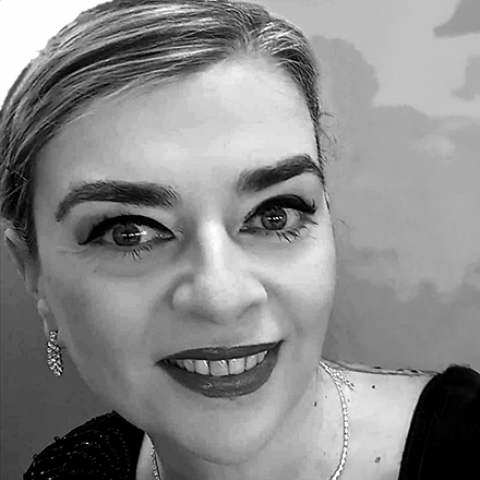
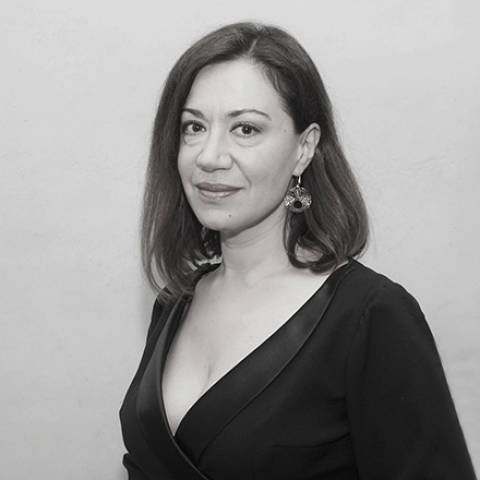
Greek mezzo-soprano, she was born in Germany, where she started piano at the age of seven. She studied voice with Αntigoni Sgourda at the Athenaeum Conservatory, Athens (diploma with honours and first prize) and attended masterclasses with Μarina Krilovici, Αris Christofellis, Antonia Lavanne, Nelly Miricioiu-Kirk, Ingeborg Danz και Μechthild Stamatakis. She made her debut in Switzerland (Ernen, 1999) as Cornelia in Handel’s Giulio Cesare in Egitto. In 2003 she attended a masterclass with Helmuth Rilling at the Ιnternational Bach Academy, Stuttgart, and performed as a soloist in Bach’s Matthäus Passion at the Athens Concert Hall. Since 2000 she has been a permanent member of the Chorus of the Greek National Opera, where she has also sung soloist roles in such operas as Die Entführung aus dem Serail, Marathon-Salamis, Orfeo ed Euridice, Le Comte Ory, Madama Butterfly, Carmen, Der fliegende Holländer, Elektra and Suor Angelica. Moreover, she has given concerts in Greece and abroad.
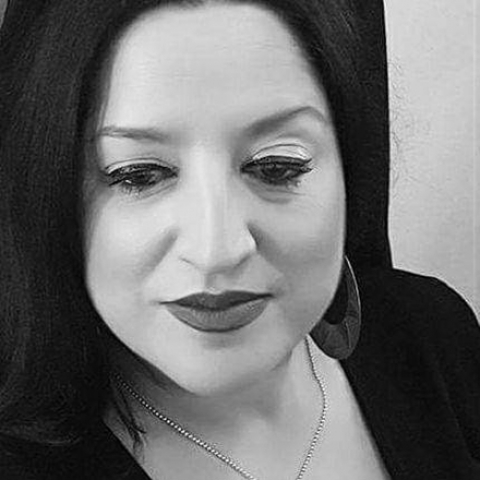
Greek mezzo-soprano, she was born in the Netherlands. She studied dance at the Greek State School of Dance and voice at the Athens Conservatory. He received a singing diploma with honours with leading baritone Kostas Paskalis at the Apollonio Conservatory, Athens. She is a graduate of the Department of Primary Education of the University of Crete. She sang Dorabella (Così fan tutte) at the Horto Festival of Pelion (Greece). She was a member of the Chorus of the Hellenic Broadcasting Corporation (1994/99). Since 1999 she has been a member of the Chorus of the Greek National Opera, where she has also performed soloist roles (Rigoletto, Carmen, The godson, Lohengrin, etc). She sang Cassiopeia in Alkis Baltas’ opera for children Momo (Megaron – The Athens Concert Hall). She has given recitals and concerts for Hellenic Broadcasting Corporation and has collaborated with traditional music ensembles.
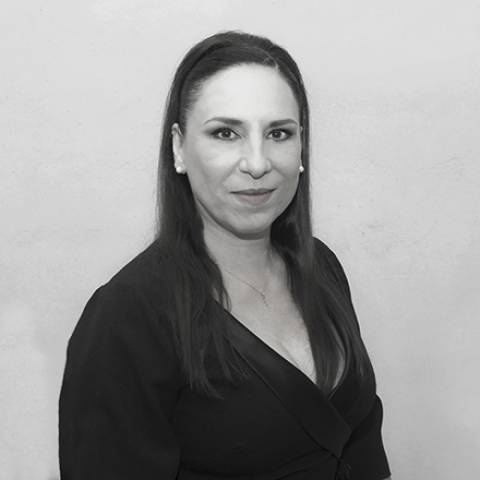
Greek mezzo-soprano, she studied singing at the Dimitris Mitropoulos Conservatory, Athens, and continued her studies under famous Greek soloists Frangiskos Voutsinos and George Pappas. She graduated from the Athens Conservatory Drama School. She is a permanent member of the Greek National Opera Chorus and has participated as a soloist in many operas and operettas. She has sung, among others, at the Thessaloniki Concert Hall, Athens and Epidaurus Festival, Theatre of the Society for Macedonian Studies and in other venues in Greece and abroad. She has worked with such theatre companies as Spyros Evangelatos’ Amphi-Theatre, Proskinio, Anatoli, Serres Municipal Theatre, etc. She has participated in many radio, television and cinema productions and for many years she took part in the lighting of the Olympic Flame. She is a founding member of Polymnia, a private artistic society that since 1998 stages opera and operetta productions and promotes young artists’ works.
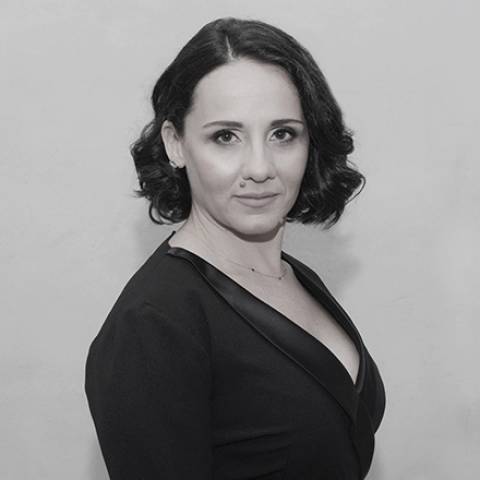
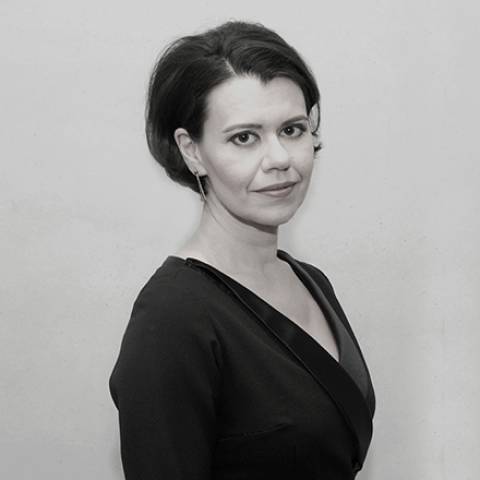
Greek mezzo-soprano, she was born in Athens. She studied ballet under Donka Kusmova and Marianna Morianova-Trasta, piano with Katerina Polyzoidi and Max Hallecker and voice with Frangiskos Voutsinos, completing her studies (diploma) at the Athens Conservatory with Hara Savino. She has attended seminars of Reiner Hofmann and Anthony Constantino, while she participated at the Opera Studio of the Greek National Opera (2009/10). She is a permanent member of the Chorus of the Greek National Opera, where as a soloist she has such roles as Hänsel (Hänsel und Gretel), Dryad (Ariadne auf Naxos), Boy (Die Zauberflöte), Lucia (Cavalleria rusticana), Aretousa (The Apaches of Athens) and Foreigner (Theofrastos Sakellaridis’ The Possessed, Olympia Theatre Foyer). Moreover, she has sung at the first presentation of Haris Vrontos’ The metamorphosis (Olympia Theatre Foyer) and Michalis Economou’s Electra. She has cooperated with the Children Stage and the Chamber Opera of the Greek National Opera, as well as with the Athens Municipality Symphony Orchestra.
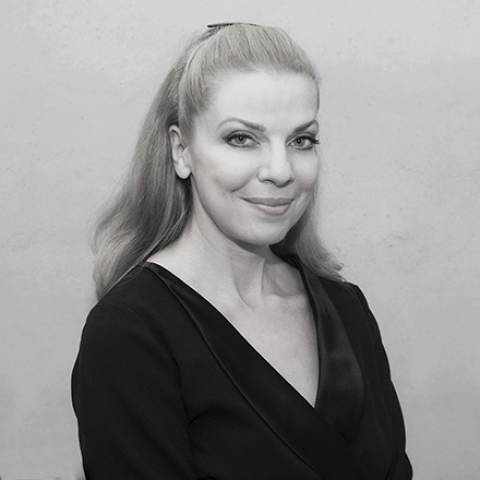
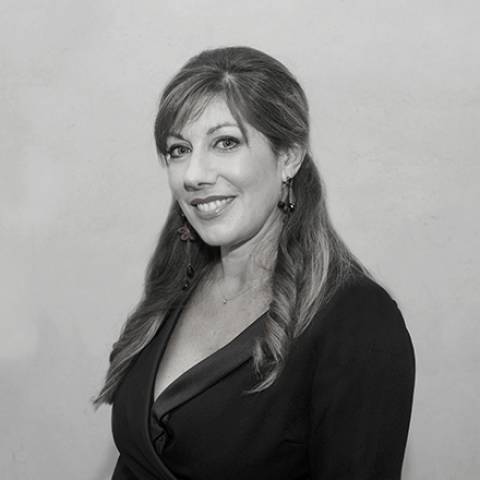
Greek mezzo-soprano, she was born in Athens. She studied singing (diploma) and graduated from the Department of Sociology (Panteion University). She also studied piano and advanced music theory at the Apollonio Conservatory, Athens, and attended seminars on drama and cinema direction at the Theatre of Changes and Kostas Kazakos’ Theatre School. She has been cooperating with the Greek National Opera since 2009 in children’s productions (The Tsar Saltan, the Beautiful Tsarevna and the Enchanted Swan, Die Fledermaus, Puss in Boots). Since 2011 she has been a permanent member of the Greek National Opera Chorus. She has performed such roles as Hedda (Hedda Gabler), Flora Bervoix (La traviata), Yelena Popova (The Bear), Dinah (Trouble in Tahiti), Rita (I Want to See the Pope!), Dina (The First Love), Giovanna (Ernani), whilst she sang as a soloist in the chamber opera That Person by Giorgos Dousis. She has taken part in GNO’s artistic events and video performances and has sung in concerts with the Athens Municipality Symphony Orchestra, Athens Phil-harmonia Orchestra at the Hellenic Broadcasting Corporation, Onassis Stegi, Gialino UpStage, etc.
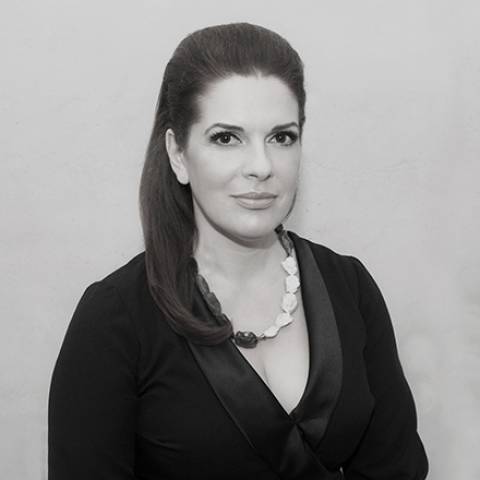
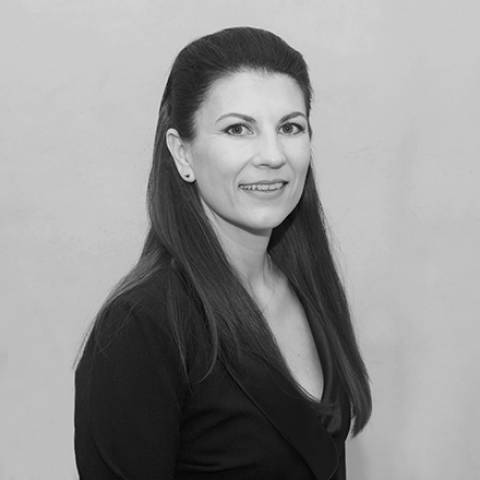
Greek mezzo-soprano, she received a diploma in monody with George Zervanos. She is a graduate of the English National Opera Studio (Friends of Covent Garden scholar- ship) and a member of the Solti – Te Kanawa Accademia di Bel Canto (Nando Peretti Foundation scholarship). She has attended masterclasses by Ghena Dimitrova, Robert Lloyd, Dennis O’Neill, Kiri Te Kanawa and Helmuth Rilling. She has sung leading opera roles in productions in the United Kingdom (Glyndebourne), Germany (Kiel Opera), Austria (Vienna Chamber Opera), La Scala, Milan (co-production with the Athens Concert Hall). She has collaborated with the most important Greek orchestras and has sung oratorios, chamber music works and leading roles in numerous operas such as The Cretan Girl, Die Fledermaus, Ariadne auf Naxos, Aida, Rusalka, Madama Butterfly, Rigoletto, Carmen, Norma, Anna Bolena. She has repeatedly performed works by Greek composers. She sang alongside José Cura with the Tchaikovsky Symphony Orchestra (2019) and in the production Il ritorno d’Ulisse in patria (Armonia Atenea, Odeon of Herodes Atticus, 2020). Since 1999 she has been a member of the GNO Chorus and since 2014 she been teaching singing.
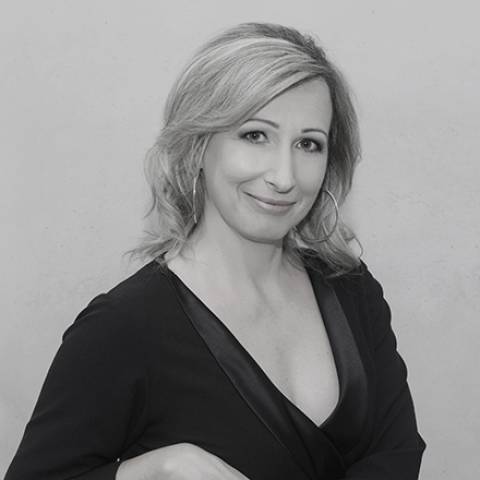
Russian mezzo-soprano, she began her music studies at the music college at Taganrog, Russia (diploma in chorus conducting) and continued at the Gnesin Russian Academy of Music, Moscow (diploma in singing). She has been a member of the Chorus of the Athens Festival, the Chorus of Hellenic Broadcasting Corporation, and “Women’s voices” ensemble. In 2003 she performed as a soloist in Richard Strauss’ Die Frau ohne Schatten at the Megaron – The Athens Concert Hall. In 2009 she received the third prize at the voice competition of the Society of Artists for Opera and Operetta. Since 2008 she is a permanent member of the Chorus of the Greek National Opera, where she has also sung soloist roles such as Mary (Der fliegende Holländer) and Countess Ceprano (Rigoletto).
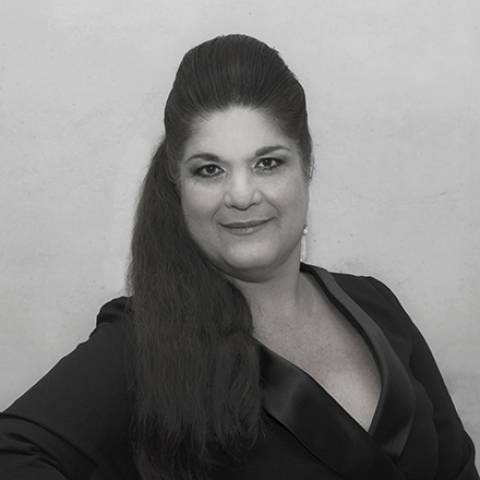
Greek mezzo-soprano, she studied piano, advanced music theory and singing at the National Conservatory, Athens. She also studied at the Acting Workshop of Spyros Evangelatos’ Amphi-Theatre with Kostas Paskalis, Lukas Karytinos, Antonis Kontogeorgiou, etc. With Alexander S. Onassis scholarship she continued her studies at the Theatre Academy of La Scala, Milan, with Roberto Coviello and Roberto Negri. She attended seminars with Carlo Bergonzi, Gianfranca Ostini, Francesco Ellero d’Artegna and Elena Obraztsova. She has sung in such works as Les Contes d’Hoffmann, Rigoletto, Le nozze di Figaro, Peter Grimes, Cavalleria rusticana, Madama Butterfly, Ritsiardis’ Carnival Dream (concertante), as well as in recitals and concerts, performing classical repertoire, Greek songs and religious works. She was awarded at the International Hans Gabor Belvedere Singing Competition (Vienna, 1997). She sang at the Manolis Kalomiris Festival (Samos, 2007) and at Panagiotis Karousos’ opera Prometheus Bound (Parnassos Literary Society Concert Hall, Hellenic Authors’ Society). Moreover, as a soloist she has sung for the Holy Archdiocese of Athens and Unesco.
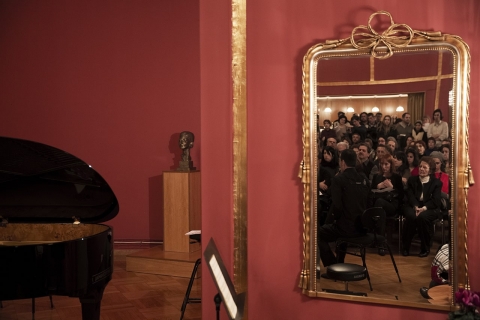
29 March 2015
Olympia Theatre's Foyer
Performances begin at 18.00 |
General admission: 5€
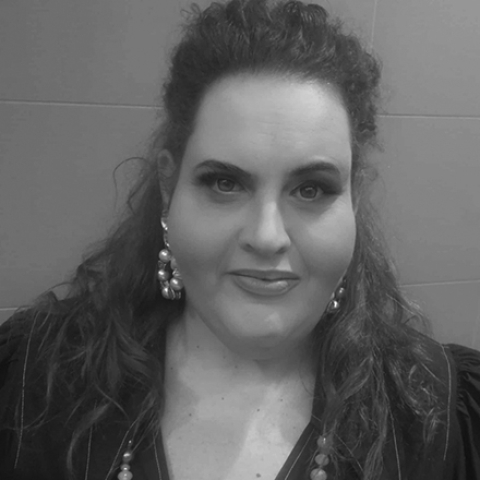
Greek soprano, she was born in Poros. She took her voice diploma with honours from the Hellenic Conservatory, Athens (Yolanda di Tasso’s class). She studied with Antonio Costantino, Hara Savino in Germany and Renata Scotto in Genoa. She has collaborated with the Open Theatre of Giorgos Michailidis and has participated in Greek film productions. She has given many concerts in Greece and abroad. Since 1996 she has been a permanent member of the Chorus of the Greek National Opera.
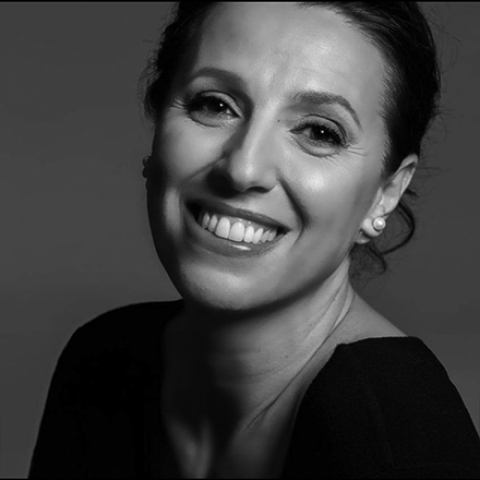
Greek soprano, she graduated from the Mary Boyatzis-Traga Drama School of and studied voice with Frangiscos Voutsinos and Kostas Paskalis (diploma with honours, Kodály Conservatory). She continued her studies in Paris as a scholar of École Normale de Musique de Paris and the French Hellenic Cultural Centre (Premier Prix de la ville de Paris, Diplôme de Chant, Diplôme d'art lyrique). She attended master classes with Laura Sarti, Irma Kolassi, Christa Ludwig, François Le Roux and Jean-Philippe Lafont. She has sung Dido (Dido and Aeneas) in Nanterre and at the Théâtre d’Étampes (France). As a permament collaborator she participated in all the productions of Théâtre du Châtelet, Paris, from 2003 to 2006. Since 2007 she has been a permanent member of the Greek National Opera Chorus, singing in almost all productions.

Greek soprano, she was born in Athens. He studied singing at the Philippos Nakas Conservatory (diploma with distinction). She continued her studied with George Pappas and Maria Koromantzou. She has attended seminars of Luise Scheit, Robert Tear, Galina Pisarenko, Ghena Dimitrova, Ryland Davies and Frangiscos Voutsinos. She was a soloist at The Beggar’s Opera, The Mother’s Ring and Madama Butterfly. In 2004 she received the first prize at the voice competition of the Society of Artists for Opera and Operetta. In 2008 she sang in the opera La cambiale di matrimonio at the Municipal Theatre of Corfu. She is a permanent member of the Greek National Opera Chorus.
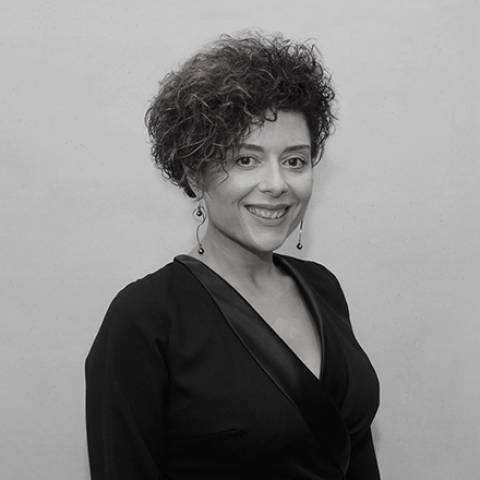
Greek soprano, she was born in Athens. She studied piano and voice at the Athens Conservatory with Meni Charalambidou, graduating with honours and distinction in 1998. She continued her vocal studies at Indiana University, Bloomington, USA, with baritone William Shriner (1998-2000). She has also worked with Greek bass Frangiscos Voutsinos and soprano Maria Moutsiou. She has been a permanent member of the Greek National Opera Chorus since 2003. She has sung with the Chorus of the Hellenic Broadcasting Corporation and the Chorus Fons Musicalis, and she has given many concerts (Solo Donne vocal quartet, University of Athens, American School of Classical Studies, Athens, Philharmonic Orchestra of Loutraki City, etc). In 2007 she sang the Friend of the Infanta in Zemlinsky’s Der Zwerg. Moreover, during 2017/18 she participated in the social activities of the Greek National Opera.
STAVROS NIARCHOS FOUNDATION
CULTURAL CENTER
364 Syggrou Avenue, Kallithea
Box Office:
+30 213 0885700
Box Office email:
boxoffice@nationalopera.gr
Daily 09.00-21.00
info@nationalopera.gr