
Contact
ADDRESS
STAVROS NIARCHOS FOUNDATION
CULTURAL CENTER
364 Syggrou Avenue, Kallithea
TEL.
Box Office:
+30 213 0885700
Box Office email:
boxoffice@nationalopera.gr
Daily 09.00-21.00
info@nationalopera.gr
Register to our Newsletter






She was born in Athens. Since 1993 she has been a member of the Greek National Opera Chorus. In the period 2002-2005 she interpreted Maddalena (Andrea Chénier), Dame (Macbeth), Ines (Il trovatore). She has participated in more than 40 GNO auditions, competing for a role. She still believes in transparency and meritocracy.

Greek soprano, she was born in Melbourne, Australia. She holds a Bachelor of Edu- cation as a Music Major from Melbourne University and a singing diploma from the Athenaeum Conservatory, Athens, with Marina Krilovici. She continued her studies with Verka Stogiannidou. Since 1997 she has been a member of the Greek National Opera Chorus, performing, among others, in such productions as Il tabarro, Le grand Macabre, Tosca, Rigoletto, etc, as well as the role of Lucy (The Beggar’s Opera). Moreover, she sang the Bird in Christos Giannoulis’ opera for children Peter in the Woods (Day Theatre, Athens, 2016/17), Anna (The Rake’s Progress, Union Theatre, Australia) as well as arias from oratorios at the Melbourne Concert Hall. She continues to perform and teach voice as well as musical theatre.
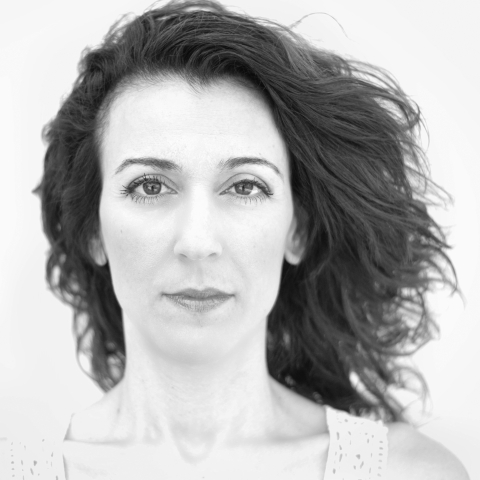
Greek soprano, she was born in Athens. She studied cello and singing and received a diploma in monody with Yorgos Zervanos. She has also studied with Lydia Angelopoulou, George Pappas, Despina Koromantzou and Nicolas Vassiliou. Moreover, she attended seminars with Helmut Rilling, Ghena Dimitrova, Aris Christofellis, Massimo Morelli. She has sung in productions of the Children’s Stage of the Greek National Opera Der Freischütz (Änchen), Orphée aux enfers (Eurydice), Hänsel und Gretel (Taumädchen) as well as in Carmen (Frasquita) at the Festival of the Aegean and Il barbiere di Siviglia (Rosina) in the educational programme of the Greek National Opera. She has also taken part in the productions of the GNO Macbeth (Apparition), The Cunning Little Vixen (Pepik), Lohengrin (Young Noble) and performed the role of Xennoula’s mother in The Murderess by Giorgos Koumendakis. She has been a permanent member of the GNO Chorus since 2007 and has collaborated with the Chorus of the Teatro dell’ Opera di Roma. She holds degrees from the National and Kapodistrian University of Athens and Panteion University, and also holds a Master’s degree in History.
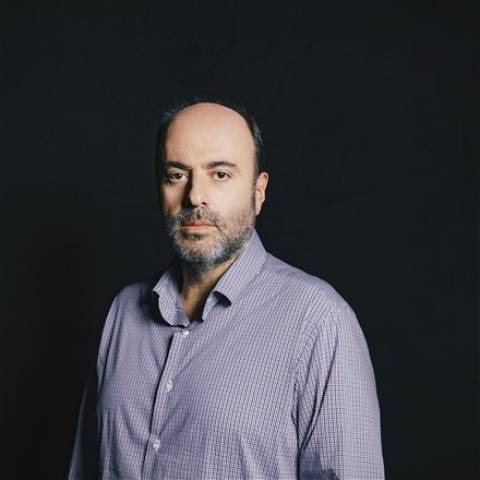
Chorus master of the GNO, he is conductor of the vocal ensembles MEIZON, Equábili, and the Athens Chamber Choir, as well as guest conductor of the Chorus of the Hellenic Broadcasting Corporation. He has appeared in prestigious venues (Odeon of Herodes Atticus, SNFCC, Athens Concert Hall, Acropolis Museum, National Gallery of Athens) and festivals (GNO Sacred Music Festival, Handel Festival in Göttingen, New York Film Festival, Athens Epidaurus Festival, etc). He frequently collaborates with Armonia Atenea and Athens State Orchestra. He founded the Chorus of Cephalonia, Musica Nova of Patras and the Chorus of the Municipal Conservatory of Patras. He holds diplomas in advanced music theory and choral conducting from the Kodály Conservatory (with honours and first prize) and from the Kodály Institute of the Liszt Academy (diploma with distinction in chorus direction, Peter Erdei’s class). In 2001–2012, as a teacher at the Chorus of the Municipal Conservatory of Patras, he created a model class for choral reading based on Kodály’s pedagogical method. As one of the leading exponents of this method in Greece, he holds masterclasses and lectures to promote the teaching of music reading in music education, contributing to the improvement of Greek choral practice.
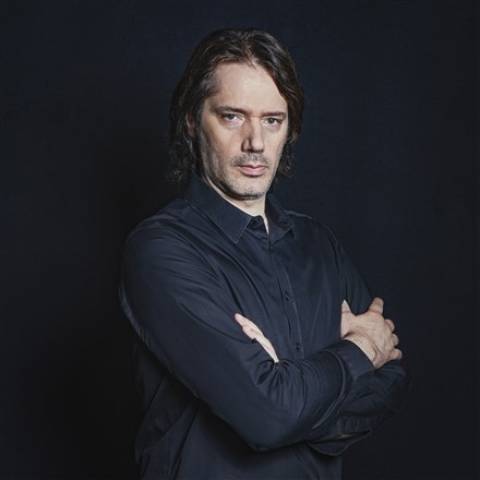
Greek bass, he studied voice in Athens under Frangiskos Voutsinos and in Milan under Maria-Luisa Cioni and Roberto Negri (Alexander S. Onassis Foundation scholarship). He graduated from the Department of Political Sciences of the Athens Law School (University of Athens) and from the Veaki Drama School. He attended for three years courses in acting and stage direction with Luca Ronconi at the Piccolo Teatro, Milan. Among others, he has sung at the GNO, Opera of Thessaloniki, Athens Concert Hall, Thessaloniki Concert Hall, Οdeon of Herodes Atticus, Epidaurus, at the United Nations and Lincoln Center of New York, as well as in Italy, Germany, Qatar, Switzerland, Boston, Egypt, Cyprus, etc. He has worked with all leading Greek orchestras such as Athens State Orchestra, Thessaloniki State Orchestra, Hellenic Group of Contemporary Music, Orchestra of Colours, Cyprus State Orchestra, Athens Municipality Symphony Orchestra, Hellenic Broadcasting Corporation Orchestra, etc. He has performed in concerts, as well as in world premieres and recordings of Greek composers’ works. His theatre credits include leading roles in ancient Greek and contemporary plays (National Theatre, Art Theatre, Amore Theatre, etc, in the Ancient Theatre of Epidaurus, Odeon of Herodes Atticus, etc), while his cinema credits include films by Theo Angelopoulos, Maria Iliou, etc.
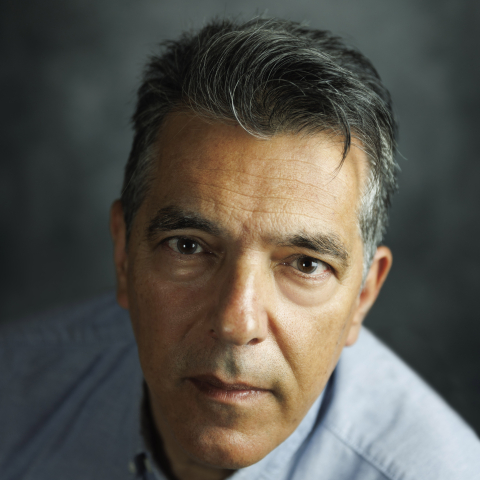
Greek bass, he was born in Athens and studied with Frangiscos Voutsinos, Kostas Paskalis and Aris Christofellis. He has sung at the Greek National Opera, Royal Opera House (Covent Garden, London), Kiel Opera House, Welsh National Opera, Bilbao Opera, Israeli Opera, Athens and Thessaloniki Concert Halls, Athens Epidaurus Festival, etc such roles as Méphistophélès (Faust), Sarastro (Die Zauberflöte), Osmin (Die Entführung aus dem Serail), Don Giovanni / The Commendatore (Don Giovanni), Heinrich der Vogler (Lohengrin), Daland (Der fliegende Holländer), Hunding (Die Walküre), Zaccaria (Nabucco), Fiesco (Simon Boccanegra), Banquo (Macbeth), Sparafucile (Rigoletto), Pagano (I Lombardi alla prima crociata), Four Villains (Les Contes d’Hoffmann), Don Basilio (Il barbiere di Siviglia), Alidoro (La Cenerentola), Colline (La bohème), Vodník (Rusalka), Count des Grieux (Manon). He is also a soloist in numerous concerts and sacred music works. His recordings include internationally awarded editions of Handel’s works under the baton of George Petrou. His performance as Commendatore (Don Giovanni) at the Royal Opera House in London is released on Blu-ray disc.
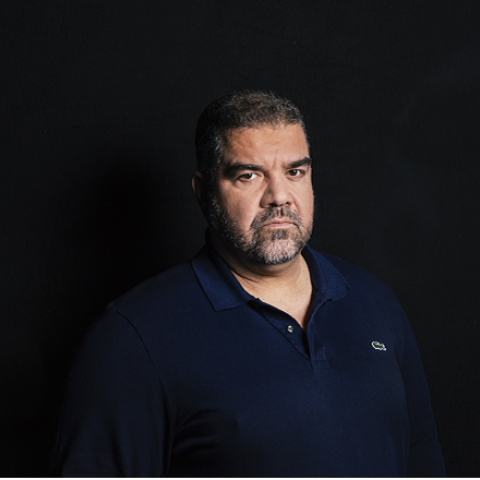
Greek baritone, one of the most renowned of our time, he studied guitar with George Mavreas and voice with Maria Μarketou at the Kalamata Municipal Conservatory. He continued his studies in Italy under Masako Tanaka Protti (Alexandra Trianti scholarship, 2000). Since 2004 he has been studying under Aris Christofellis. He has worked with numerous Greek and foreign orchestras. He made his debut at the Greek National Opera as Alfio (Cavalleria rusticana, 2004) and since then he has sung numerous roles such as Marcello (La bohème), Figaro (Le nozze di Figaro), Master (The Masterbuilder), Renato (Un ballo in maschera), Rigoletto, Amonasro (Aida), Germont (La traviata), Scarpia (Tosca), Di Luna (Il trovatore) and Telramund (Lohengrin). He has performed in distinguished theatres and festivals worldwide such as Teatro La Fenice (Venice), Teatro Nacional de São Carlos (Lisbon), Munich State Opera, Frankfurt Opera, La Monnaie (Brussels), Bregenz and Salzburg festivals, Royal Opera House (Covent Garden, Lon- don), Bavarian State Opera, Opera di Firenze, Palau de les Arts Reina Sofía (Valencia) and Stuttgart State Opera.
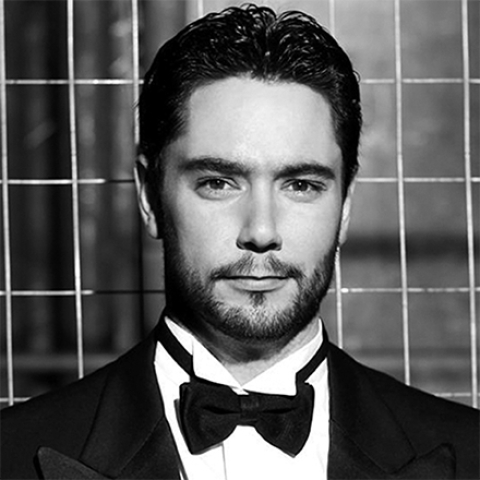
Greek baritone, he was born on Zakynthos, Greece, and studied voice under George Samartzis (diploma). He continued his studies under maestro Claude Thiolas (Italy, Maria Callas scholarship, 2005). He has received first prizes in such international competitions as Toti dal Monte International Vocal Competition, Iris Adami Corradetti, Aureliano Pertile – Giovanni Martinelli, Spiros Argiris, etc. In addition, he has received honours from the Union of Greek Critics for Drama and Music (2013) and the Laurence Olivier Award (ROH, 2016). He has sung at the Odeon of Herodes Atticus, Athens Concert Hall, Τeatro La Fenice (Venice), Malibran Theatre (Venice), Treviso, Teatro Reggio (Turin), Teatro dell’Opera di Roma, Opéra de Rennes (France), Gran Teatro Nacional del Perú (Lima), ROH (Covent Garden, London), etc. Since 2003 he has been cooperating with the GNO as a soloist. His repertoire includes Sotiris (Kalomiris’ The Mother’s Ring), Figaro (Il barbiere di Siviglia), Count Almaviva (Le nozze di Figaro), Guglielmo (Così fan tutte), Germont (La traviata), Don Giovanni, Ford (Falstaff), Marcello and Schaunard (La bohème), Belcore (L’elisir d’amore), Silvio (Pagliacci), Valentino (Faust), Lescaut (Manon), Sharpless (Madama Butterfly), Escamillo (Carmen) as well as works by Xenakis, Koumendakis, etc.
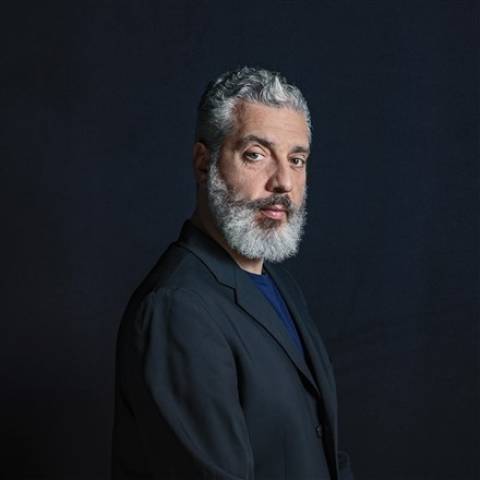
Greek baritone, he was born in Piraeus. Since 1989 he has been singing at the Greek National Opera, whilst performing in concerts and productions at the most prestigious stages in Greece and around the world (Paris, Vienna, Berlin, New York, etc). His repertoire includes leading roles in such operas as Il barbiere di Siviglia, Don Giovanni, Macbeth, Rigoletto, Otello, Falstaff, Nabucco, Simon Boccanegra, Wozzeck. In addition to opera recordings (La traviata, Falstaff, Werther, Tamerlano, Julius Caesar, etc) and songs by French composers (Saint-Saëns, David, Hahn, Gounod, Godard, etc), he has recorded works by Greek composers (Hadjidakis, Theodorakis, Mamangakis, Kouroupos, Mikroutsikos, Markopoulos, etc). He also composes music. His works, including musicals such as Christmas Story, Once Upon a Time There Was a Little Prince, the ballets On the Road, Labyrinth, and the song cycles E.E. Cummings, Thomas Moore, 24 Prayers, have been presented in Greece and abroad. He received the Prix de l’Academie Charles Cros (Best French songs interpreter). Since February 2024 he has been artistic director of the Olympia City Music Theatre ‘Maria Callas’.
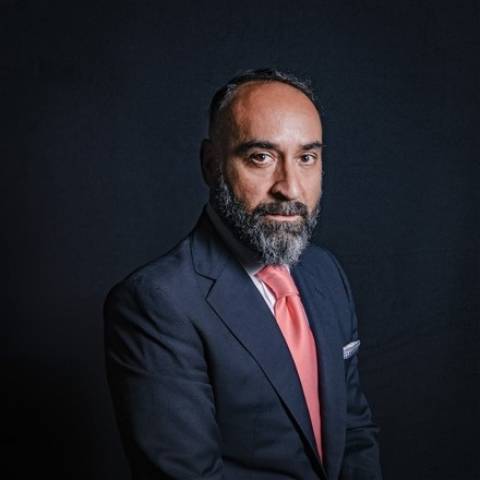
Greek tenor, he was born in Athens. He studied Byzantine music and classical singing and continued his musical studies in Cremona, Italy (Alexandra Trianti scholarship, 1998). As a soloist he has performed roles of classical and contemporary repertoire at the Greek National Opera, as well as at the Athens and Thessaloniki Concert Halls. He has collaborated with all major Greek orchestras and has appeared in many performances and concerts, in international and Greek festivals and theatres such as Greek Festival, Demetria, Santorini and Nicosia Festivals, Maggio Musicale in Florence, Carnegie Hall (New York), National Auditorium of Music (Madrid), Cairo Opera, etc. He participated in the recordings of Thanos Mikroutsikos’ At My Place I Am A Perfect Stranger (poetry by François Villon) and The Return of Helen, Giorgios Hadjinasios’ Chronicle of the Fall, Tasos Ioannidis’ Revelation of John, Dimitris Papademetriou’s Satyricon, Bizet’s Le docteur Miracle, etc. From January 2008 to October 2012 he has been president of the Association of Greek Lyric Soloists and since 2011 he has been a permanent member of the Greek National Opera Soloists.

DIRECTION
Angela-Kleopatra Saroglou
SETS
Yorgos Kollios
COSTUMES
Alexia Theodoraki
LIGHTS
Spyros Tzoras
PIANO
Yiannis Tsanakaliotis
DON JOSÉ
Dimitris Paksoglou
ESCAMILLO/MORALLÈS
Dionyssis Tsantinis
ZUNIGA/LE DANCAÏRE
Giorgos Mattheakakis
CARMEN
Marissia Papalexiou
MICAËLA/FRASQUITA
Despina Skarlatou
MERCÉDÈS
Maria Vlachopoulou
29 March 2015
CULTURAL CENTRE OF THE MUNICIPALITY OF GREVENA
Performances begin at 20.00 | 
Free entrance for priority pass holders. Priority passes will be distributed one hour prior the starting time
[Carmen at a glance]
The composer / French composer Georges Bizet was born in Paris, in 1838 and died in Bougival, near Paris, in 1875. His first music teacher was his father, a vocal coach. Later, he studied at the Conservatoire de Paris, under Jacques Fromental Halévy, composer of the opera La Juive and whose daughter Bizet married in 1869. Apart from his studies at the Conservatoire, Georges Bizet also studied under Charles Gounod and was profoundly influenced by him. When in 1857 Bizet won the prestigious Grand Prix de Rome, he had already composed the noteworthy Symphony in C, which was performed for the very first time as late as 1935! The arrangement of his poor financial state was the first thing he did upon his return to Paris from the Villa Medici. His opera Les pêcheurs de perles (1863) was not as successful as anticipated. Following the Franco-Prussian War (1870), he was appointed chorus master at the Opéra de Paris, but he opted for the position of the rehearsal pianist & répétiteur at the Opéra Comique. In 1872 he scored his first great success thanks to the music he composed for the theatrical play L'Arlésienne, based on the eponymous novel by Alphonse Daudet. In March 1875 he experienced the tumultuous premiere of his Carmen, but did not enjoy the work’s huge recognition for he died only a few months later, at the age of 37.
The opera / Carmen is a four-act French opera and belongs to the genre opéra comique. It is based on a libretto written by Henry Meilhac and Ludovic Halévy, based on Prosper Mérimée's namesake novel (1845). The term opéra comique does not suggest the existence of comic elements, but relates to structural and aesthetical features, one of which being spoken dialogues. In 1875, on the occasion of presenting Carmen in Vienna, Ernest Guiraud replaced the dialogues with recitatives. Also, he added some dance scenes by borrowing music from the suite L'Arlésienne and from Bizet's opera La jolie fille de Perth.
Premieres / Carmen first premiered in Paris at the Salle Favart. It was staged by the Opéra Comique on 3 March 1875. The leading role was performed by Célestine Galli-Marié. The performance staged in Vienna (October 1875) was pivotal as to the acknowledgment of the opera. Carmen was included in the repertoire of the Greek National Opera in 1941-2, with Kitsa Damasioti as Carmen and Antonis Delendas and Nikos Glinos at the role of José, Fani Aidali as Micaëla and Spyros Kalogeras as Escamillo. Antiochos Evangelatos was the conductor.
Act I / At a café in a square of Seville, soldiers comment leisurely on the passers-by while waiting for Carmen who works nearby to show up. Eventually, Carmen comes and almost threatens her admirers by singing a song about the fickle nature of love. Reacting to Zuniga's persistent flirt, she takes refuge to Don José by kissing him in a provocative manner and throwing him a flower. Although Don José seems to be annoyed, he keeps the flower. Carmen and Mercédès return to work. Micaëla enters the stage and gives José a kiss and a letter from his mother. In the letter his mother designates Micaëla as a suitable wife for him. Voices are heard, Carmen and Zuniga enter the stage again, but this time in dispute. Carmen keeps a suspicious object in her bag, but she won't give any explanations. Zuniga asks Don José to lead her to prison. Once they are left alone, Carmen charms the officer and in exchange of liberating her she pledges her love to him. Don José helps her escape.
Act II / In a bar. Carmen and Mercédès work night shift. Escamillo, the famous toreador, arrives. Carmen seems to be disinterested, but she lets him hope. Don José arrives and Carmen joyously dances for his sake. When he explains to her that duty calls him and has to leave, Carmen is outraged; she remains unmoved both at the view of the flower of their first encounter and by his marriage proposal. As she explains, if he loves her, he must leave her and make a fresh start someplace else. The lieutenant of the guards (Zuniga) returns hoping to find Carmen alone. Don José, jealous of Zuniga, attacks him. Now he has no other choice but to follow Carmen.
Act III / In a deserted place where Carmen and Don José have taken refuge. Micaëla comes dispirited only to inform Don José that his mother is dying. When she perceives that someone is following her, she hides. The person following her is Escamillo who has come to claim Carmen. Don José is furious and challenges him in a duel. At this point Carmen interrupts them and Escamillo invites everyone to his next bullfighting. Micaëla turns up informing Don José that his mother is on her death bed. He threatens Carmen and follows the girl. Carmen is mesmerised by Escamillo and follows his voice.
Act IV / In Escamillo's dressing room. Carmen helps him in his preparations for the arena. Escamillo bids her a warm goodbye and enters the arena. Carmen is left alone and watches the bullfighting on a monitor. Don José rushes in and insists on her following him. She openly tells him that she does not love him and that she would rather die than losing her freedom. Through the arena she can hear the cheering crowd and she is about to dash and take a taste of Escamillo's triumph, but Don José stands in her way. She gives him back the ring he had given her as a token of his love and kills her the very moment the bull strikes a deadly blow at Escamillo.
Director's note / Although today Carmen is synonymous with Spain, nobody remembers that its composer had never visited the Iberian Peninsula before composing this work that was to reserve him a place amongst the most celebrated opera composers. In the abridged version of the work we prepared for the Suitcase Opera, our aim was to narrate the story from a different angle with regard to Spain and its particular character. We kept intact the opera's dramatic core in which the dynamic rapport that develops among the main characters is skilfully outlined through music and dramatic performance. However, the grand spectacle and the vivid, crowded scenes were left out. In essence, every abridged version is a new creation. Consequently, our intent was to place our own Carmen in the Spain of the 1990s, in Seville; a city whose history is always evident and where the past encounters the present, and both engage in a discourse with daily life.
Almodovar's films are our focal point of reference as far the aesthetics are concerned. Through his cinematography we saw Spain from a different viewpoint and we became familiarised with the country, perhaps more than Bizet was in his time. Our version presents two different worlds that meet and eventually come into conflict: on the one hand we see the conservative, Catholic and provincial Spain (especially Southern Spain); on the other hand there is the emancipated Spain and its big cities of the post-Franco era, the way it is depicted in Almodovar's films. The gypsy element was consciously omitted from our narration because in the past it bore different connotations from today and especially because in the original text it is used as an explanation for the deviant nature of Carmen and her comrades. Our decision to dispense with this outdated pseudo-exotic element did not emerge from the need to be politically correct, but rather from our choice to be more loyal to the spirit of the work and our decision to depict Carmen as a contemporary woman who is trying to survive by working day and night. She is a woman who knows the nitty-gritty of the world both under the bright light of day and in the darkness of night, making her a lot more experienced than Don José who grew up in a safe bourgeois environment. Carmen does not aspire to have a family and children; she knows that her desires would cost her dearly. However, she had never imagined the price would be so high…
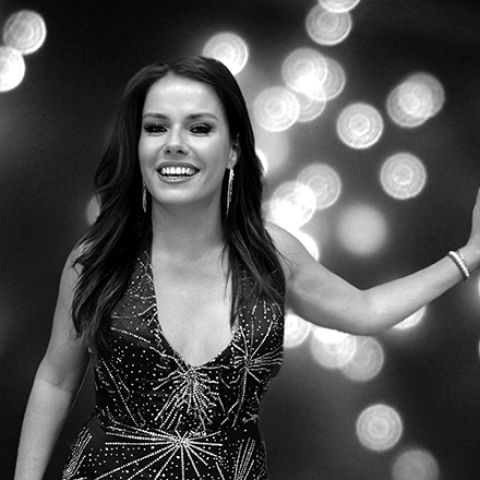
Greek soprano, she has sung leading roles repeatedly in productions of the GNO, as well as at the Athens and Thessaloniki Concert Halls. She has also appeared internationally at prestigious opera houses, festivals and concert halls such as ROH (Covent Garden), La Scala (Milan), Komische Oper Berlin, Deutsche Oper am Rhein (Düsseldorf), Teatro Nacional de São Carlos, Teatro del Maggio Musicale Fiorentino, Queen Elizabeth Hall, Cadogan Hall, Carnegie Hall, Teatro Carlo Felice, Royal Danish Opera as well as New National Theatre, Orchard Hall (Bunkamura) and Biwako Hall in Tokyo. She has performed numerous leading roles such as Queen of the Night (Die Zauberflöte), Lucia (Lucia di Lammermoor), Violetta (La traviata), Amina (La sonnambula), Mimì (La bohème), Marguerite (Faust), Donna Anna, Zerlina (Don Giovanni), Rosina (Il barbiere di Siviglia), Norina (Don Pasquale), Olympia, Antonia, Giulietta (Les Contes d’Hoffmann), Gilda (Rigoletto), Zerbinetta (Ariadne auf Naxos), Adina (L’elisir d’amore). She received the Young Artist’s Award of the Union of Greek Critics for Drama and Music (2001). She has recorded Cimarosa’s Il marito disperato and Paisiello’s Il barbiere di Siviglia.
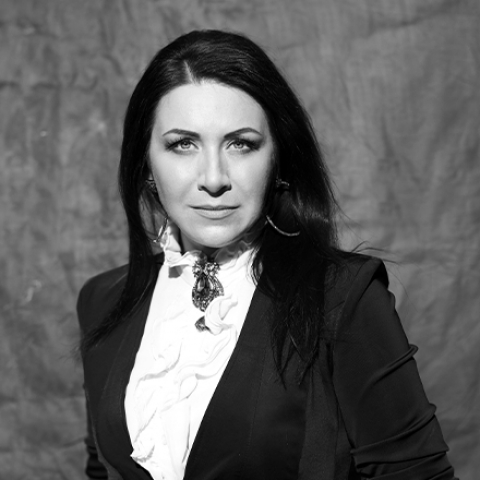
Romanian soprano, she studied music at the National University of Music, Bucharest. She received several prizes at eleven very important international vocal competitions. She has performed in prestigious venues all over the world such as Vienna State Opera, Deutsche Oper Berlin, Concertgebouw Amsterdam, Royal Opera House (Covent Garden, London) as well as in Stuttgart, Bergen, Oslo, Marseilles, Liège, Barcelona, Milan, Catania, Palermo, Modena, Piacenza, Beijing, Seoul, Tokyo, Singapore and Athens (Greek National Opera, Athens Concert Hall) in such roles as Marguerite (Faust), Nedda (Pagliacci), Micaëla (Carmen), Leonora (Il trovatore), Desdemona (Otello), Elisabeth (Don Carlo), Liù (Turandot), Mimì (La bohème), Tosca, Elena (Ι vespri siciliani). She has worked with leading conductors such as Seiji Osawa, Mark Elder, Asher Fisch, Eugene Kohn, Jiří Kout, Pinchas Steinberg, Julian Kovatchev, Alberto Veronesi. She was honoured with the 2011 Grand Music Award of the Union of Greek Critics for Drama and Music. She is a soloist of the Greek National Opera.
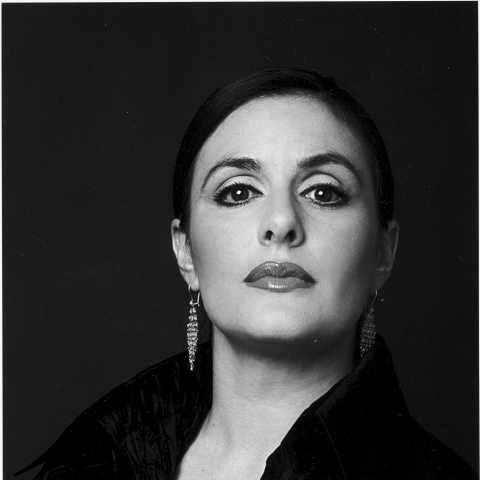
Greek soprano, she has been performing leading roles at the GNO since the age of twenty. She has studied at the University of Music and Performing Arts, Vienna (Maria Callas scholarship) and in Italy. She has performed worldwide in concerts, recitals, operas, has recorded operas and oratorios, and has also collaborated with international artists and prestigious orchestras in Greece and abroad. She has sung from baroque to contemporary music and represented Greece in China with George Kouroupos’ The Yellow River (2007). She has been distinguished for her interpretation in such works as Die Zauberflöte, Rigoletto, The Medium, La bohème, The Tsar’s Bride, Serse, Die lustige Witwe, La traviata, Jenůfa, etc. She has won first prize and the Special Verdi Prize at the Vincenzo Bellini International Competition (2001). With George Petrou and the Camerata Stuttgart, she has recorded for the MDG the demanding role of Ermione (Handel’s Oreste), for which she received rave reviews from the international press. She belongs to the permanent staff of the GNO and teaches singing.
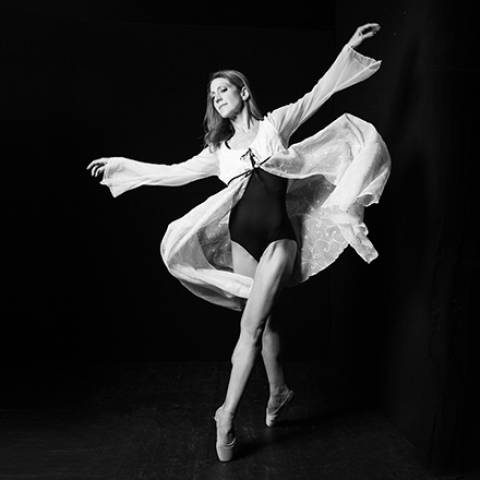
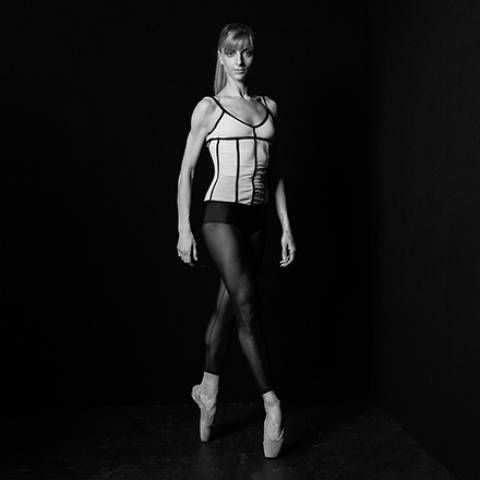
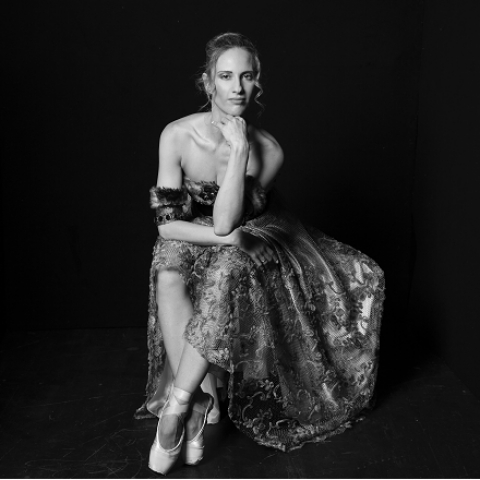
She was born in Athens. She studied dance at the Carol Hanis School, where she was trained on the RAD system (Royal Academy of Dance, London), which she completed obtaining all the degrees. She succeeded the examinations of the Ministry of Culture in Athens and continued her studies at the Anna Petrova Professional Dance School. She participated in performances with the Youth Ballet of the Royal Dance Academy (London), where she danced solo roles in such ballets as Esmeralda and Les Sylphides. Since 1999 she has been a member of the GNO Corps de Ballet. She participated in productions of classical and neoclassical repertoire, such as La Bayadère, The Sleeping Beauty, The Nutcracker, Swan Lake, Giselle, Links, Romeo and Juliet, The Snow Queen, Don Quixote, Cinderella, Zorba the Greek. She has collaborated with the most prestigious internationally choreographers such as Igor Zelensky, Pierre Lacotte, Andonis Foniadakis, Renato Zanella, Rudi van Dantzig, Germinal Casado, Irek Mukhamedov, Lorca Massine and Konstantinos Rigos.
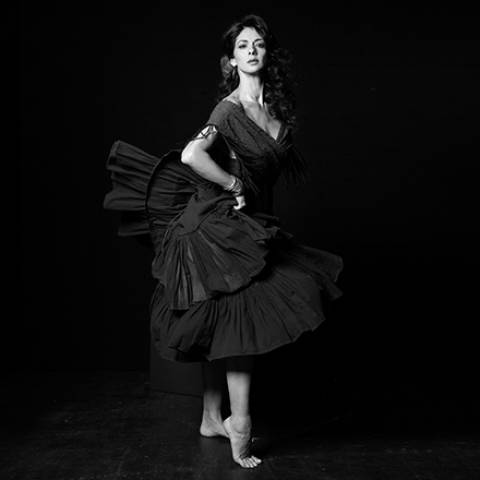
She studied piano and dance. She attended the National School of Dance in Athens and continued her studies at the Despina Grigoriadou Professional Dance School, from where she obtained a diploma in dance. At the same time, she attended dance seminars in Varna and Sofia, Bulgaria, with Kalina Bogoeva, Boriana Rizova and Ghes Mikhov. She holds diplomas of the RAD system (Royal Academy of Dance, London). Moreover, since 1993 she has been a permanent member of the Corps de ballet of the Greek National Opera.
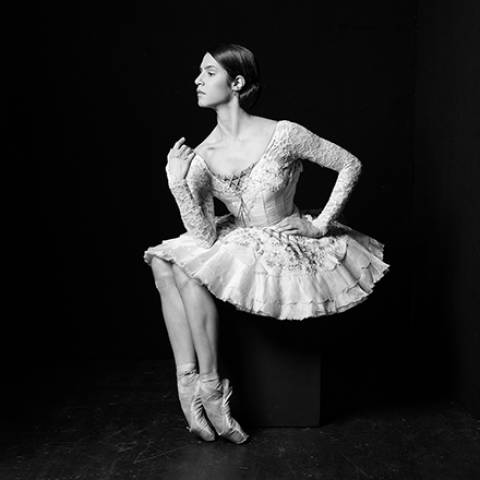
Born in Athens, at the age of nine she started the competition division of rhythmic gymnastics. She started ballet at the State School of Dance, Athens (2003/06), and continued her studies at the Professional Dance School of the Greek National Opera graduating with a diploma of dancer (2010) and teacher (2012). During 2011/12 she danced with Daniel Lommel’s Aenaon Dance Theatre in Greece and France. Since 2012 she has been a member of the Greek National Opera Ballet and has worked with prestigious choreographers such as Irek Mukhamedov, Renato Zanella, Yannick Boquin, Lorca Massine, Pontus Lindberg, Benjamin Millepied, Alexander Ekman, Andonis Foniadakis and Konstantinos Rigos. She has taught at the Pre-Professional Department of the GNO Dance School (2012/17). She has attended the seminar Art of Dance (Berlin, 2014, repertoire by William Forsythe and David Dawson). She is a graduate of the Department of Early Childhood Education of National and Kapodistrian University of Athens.
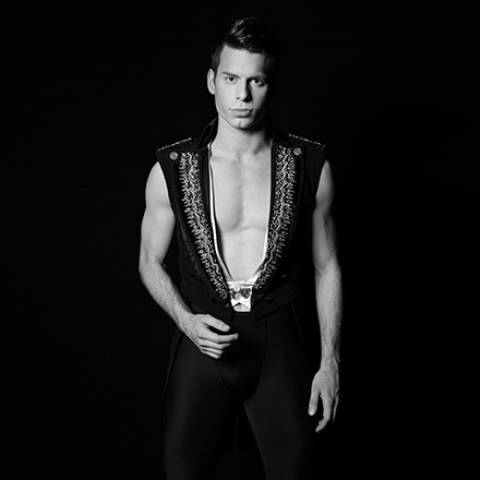
Born in Athens in 1994, he studied at the Anna Petrova Professional Dance School (2010/12). He continued his studies at the Professional Dance School of the Greek National Opera (2012/15), while participating in such productions of the Greek National Opera as Die Fledermaus, Zorba the Greek, Chopin in love and Cinderella. After completing his studies (2015), he cooperated with the Würzburg Theatre Ballet, where he danced in such productions as Carmen, Scheherazade, Linchpin, The Glass Menagerie, Pope Joan, Death and the Maiden, Snow White, Requiem, Bluebeard’s Castle and The Rite of Spring. Since 2018 he has been a member of the Greek National Opera Ballet.
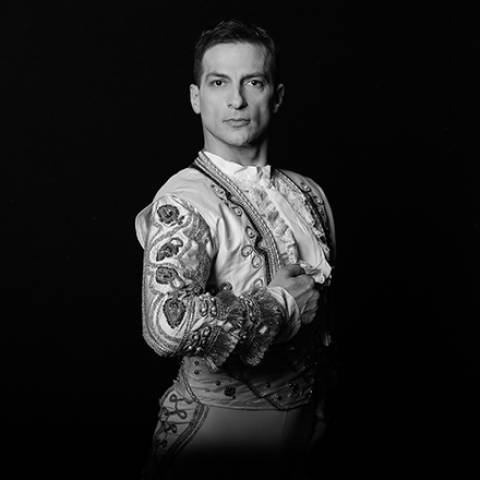
He was born in Tirana, Albania, and began ballet at the age of six. At the age of ten he was accepted at the Academy of Dance and Choreography of Albania, from which he graduated in 1995. Following an invitation by Sofia Spyratou, he came to Greece in 1997. He worked with Roes Dance Theatre, choreographer Daniel Lommel, as well as with director Yannis Kakleas, participating in dance, theatre and music performances. In 1998 he entered the Greek National Opera Ballet and a year later he became a permanent member.
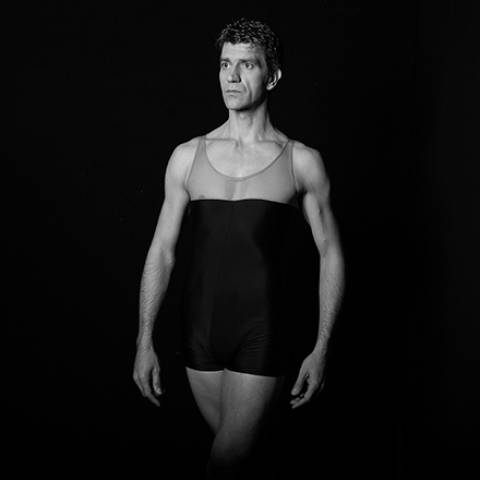
Born in Patras, he graduated from the State School of Dance, Athens. Since 2003 he has been a member of the Greek National Opera Ballet. He has worked with Daniel Lommel’s Aenaon Dance Theatre, Sine Qua Non Dance Theatre, Harris Mandafounis’ Modern Dance Company, Dimitris Papaioannou’s Edafos Dance Theatre, Proschima, Theatrokinisi, Χ-Art, as well as with Lila Zafiropoulou’s Eldor modern dance group. He has danced in Belgium, Holland and Finland as part of the Choreo-Co-Ordination Project of Elia Dance Section for dance and the arts representing the State School of Dance and Greece. As a member of Aenaon Dance Theatre he has danced in important works by Lommel. He has taught modern dance in Japan and France, in amateur and professional dance schools as well as in drama schools. As a choreographer he has created the pieces Alongside, Intervention, Existence // Space for the Open Rehearsal of Young Choreographers of the Greek National Opera.
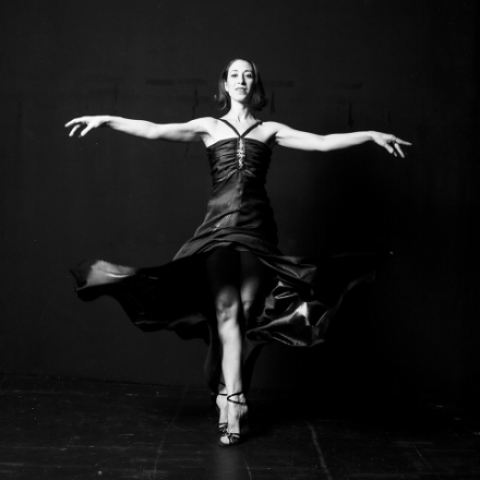
Born in Athens, she studied at the State School of Dance, Athens, and at the Professional Dance School of the Greek National Opera (dancing and teaching diploma with honours). She also holds diplomas of the examination system of the Royal Academy of Dance, London. Since 2004 she has been a member of the Corps de ballet of the Greek National Opera dancing as well as lead roles in such ballets as Paquita, Giselle, Don Quixote. She has cooperated with such choreographers as Alice Elliot, Igor Zelensky, Ray Barra, Mark Morris, Olga Evreinoff, Galina Samsova, Pierre Tavernier, Irek Mukhamedov, Vladimir Vasiliev, Daniel Lommel, Renato Zanella, Yannick Boquin, Andonis Foniadakis, etc. She has participated in numerous Greek and international competitions and has received numerous awards.
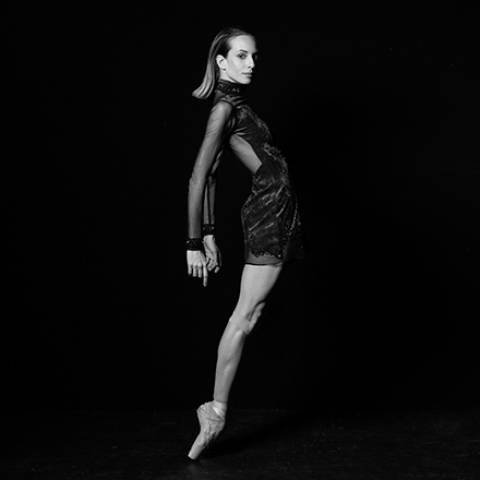
She was born in Piraeus and started ballet when she was three years old. At the age of six she was chosen to participate at the competition division of rhythmic gymnastics of Drapetsona, where for many years she was a Greek champion. Moreover, she was chosen to create the national team of rhythmic gymnastics (solo / ensemble). She studied at the Professional Dance School of the Greek National Opera, graduating with a diploma of teacher with honours. Stamou has won the first prize at the Pan-Hellenic School Dance Competition (classical ballet / modern dance, 2008). Since 2013 she has been a member of the Greek National Opera Ballet. She has cooperated with distinguished choreographers such as Alexander Ekman, Douglas Lee, Pontus Lindberg, Renato Zanella, Yannick Boquin, Andonis Foniadakis, Irek Mukhamedov, Lorca Massine and Angeliki Stellatou in classical and modern choreographies and has studied next to Yannick Boquin, Didier Chape, Susanna Campo, Bruce Steivel, Myrna Kamara, Ugo Ranieri, Yannis Dontsakis, Aleksandar Neskov, Christiana Stefanou, etc. In 2016, after auditioning, she was accepted to join the Compagnie Illicite dance group in Biarritz, France.
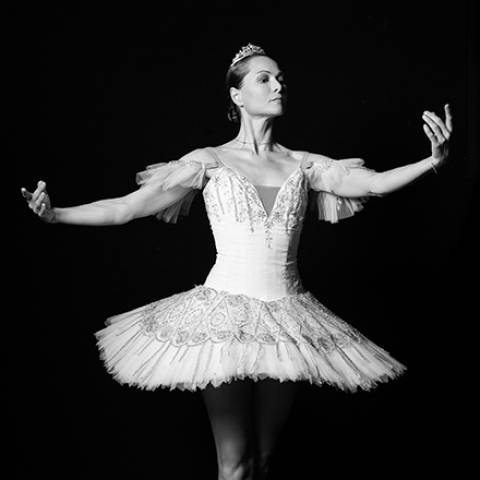
She was born in Moldavia. During 1987/95 she studied at the Federal Lycée of Choreography. From 1993 to 1997 she participated in all performances of the National Theatre of Moldavia, where in 1995 she became a permanent member. During 1998-2001 she continued with her studies at the National School of Dance in Athens. Since 2004 she has been a member of the Greek National Opera Ballet participating in numerous ballet productions.
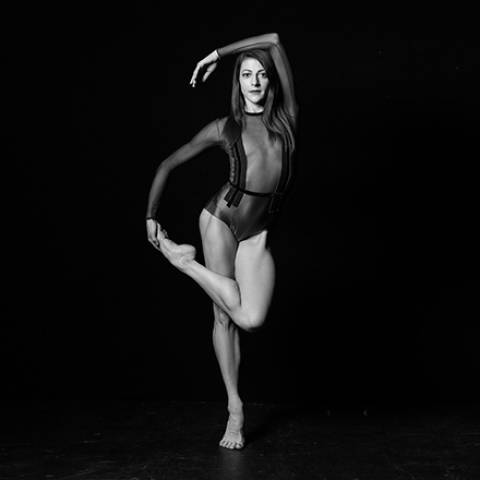
Βorn in Athens, she was a member of the National Rhythmic Gymnastics Team (2000/03) and graduated from the Professional Dance School of the Greek National Opera. She received scholarships from the Alexander S. Onassis Foundation and the University of Kent and holds a postgraduate diploma in modern dance (The Place, London). Her collaborations include such dance groups and organizations as Edge (The Place, repertoire by Hofesh Shechter, Tim Ruston, James Cousins, Helena Franzén), State School of Dance, Athens, Konstantinos Rigos’ Oktana Dance Theatre, Daniel Lommel’s Aenaon Dance Theatre, Sofia Spyratou’s Roes Dance Theatre, Fotis Diamantopoulos’ 1, etc. She has also collaborated with such choreographers as Benjamin Millepied, Andonis Foniadakis, Douglas Lee, Richard Alston, Renato Zanella, Chet Walker, Christos Papadopoulos, Petros Gallias, Kyriakos Kosmidis and others. She has participated in many Greek and international festivals. Since September 2016 she has been a member of the Greek National Opera Ballet.
STAVROS NIARCHOS FOUNDATION
CULTURAL CENTER
364 Syggrou Avenue, Kallithea
Box Office:
+30 213 0885700
Box Office email:
boxoffice@nationalopera.gr
Daily 09.00-21.00
info@nationalopera.gr